
HEALTH HUB Latest Articles

Do we really need to eat carbohydrate for energy?
By Margaret Jasinska ND If endurance athletes don’t need to, perhaps you don’t either. I’m sure you realise there is a great deal of conflicting dietary advice out there. There are thousands of different diet books advocating one diet or another, plus you can regularly hear opposing dietary views expressed on television or in the newspaper. This can leave the average person terribly confused. Dr Cabot and I have written several books advocating a low carbohydrate diet and this is the diet we place most of our patients on. We believe the average person consumes far more carbohydrate rich foods [...]

Set a great example and get healthy!
So, you find out you are going to be a grandparent . . . if you are anything like me, this news made your heart start to beat faster and your imagination start to race (pink, blue, one of each?). Whether it is news that you were expecting to hear or a bolt out of the blue, the thought of holding and loving a brand new baby and helping them find their way in this great big world of ours is a challenge that can really inspire us. Anyway . . . here is where things can get a bit [...]
And . . . stretch!
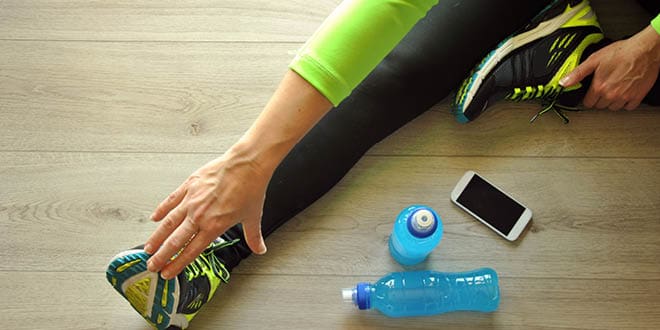
Stretching is one of the most forgotten parts of exercise, yet it is one of the most important. Stretching has many benefits including lengthening your muscle fibres, ligaments and tendons to allow them to move through their full range of motion for each desired activity. Periods of inactivity, hard training sessions, sitting down at a desk or in a position for too long can reduce the length of these soft tissues making movement harder. You should aim to complete a short stretching session after a training session or after a general warm up. A general stretching program is fine, but you should contact [...]
Protect yourself from the flu this winter
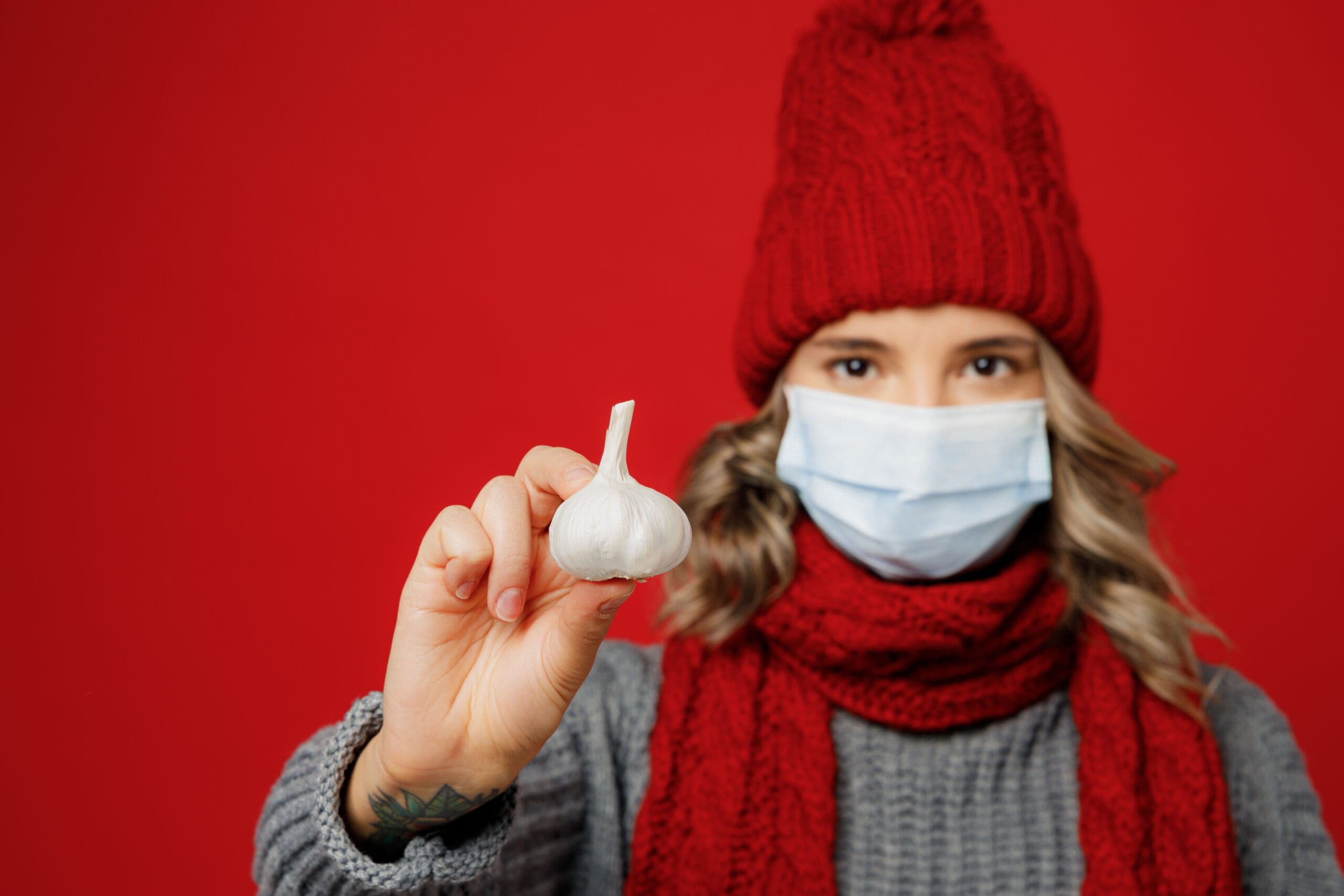
Protect yourself from the flu this winter By naturopath Margaret Jasinska Colds and flu are the most common cause of illness in adults and children. Although the terms are often lumped together in a sentence, colds and flu are very different illnesses. The flu is far more severe and can lead to death in immune compromised individuals. The flu is caused by a specific group of RNA viruses and can be spread by an infected person coughing or sneezing. You can also catch the flu from touching an item contaminated by the virus. The following are all typical flu symptoms, [...]
Are your fingernails trying to tell you something?
Changes in your fingernails may be an indication of a liver problem It is often only when there is an obvious problem with our health that we look more closely at our bodies . . . and even then, it is sometimes more about the clothes, shoes or other accessories that we choose to put on our bodies rather than actually looking at the clues that our physical bodies are showing! Your fingernails, if not covered up by acrylic nails or nailpolish, can reveal several details about your health - including the functionality of your liver. Although fingernails are not [...]

Here comes the cold – be prepared and power on!
As the weather changes, several things can start happening to our bodies. Colds and flu become more frequent, the weather can become less inviting to exercising outside and our joints can become stiffer and sorer with cooler temperatures. Living in Victoria, the cold mornings can make it hard for me to get my body moving and I struggle with stiff and aching joints. It is important to keep your body moving during this time, and I have found that taking Cabot Heath’s Natural Pain Manager capsules is a great way to assist with those particularly tough mornings. Remember to get [...]
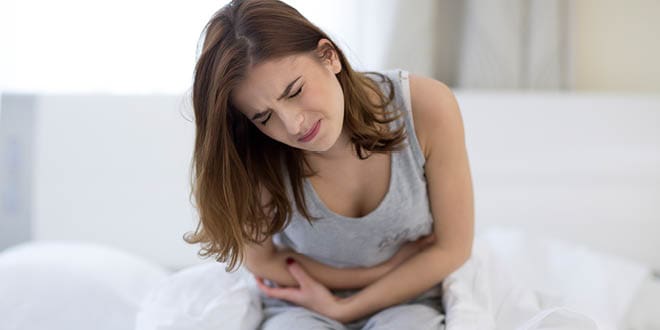
Why is autoimmune disease more common in women?
By naturopath Margaret Jasinska Approximately three quarters of patients with autoimmune disease are women. Why is that? Researchers think that female hormones play a significant role. Women are at higher risk of developing an autoimmune disease following childbirth. Some autoimmune diseases fluctuate in intensity throughout the month, depending on the phase of a woman’s menstrual cycle. They tend to be worse in the week leading up to a period. Some autoimmune diseases go into remission during pregnancy, while others intensify markedly. Oestrogen and progesterone are the main female sex hormones. Women also produce male hormones (called androgens), such as testosterone, [...]
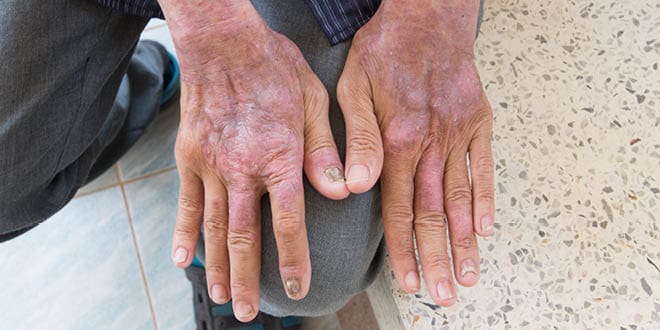
Scleroderma
What is it? Scleroderma is an uncommon disorder of connective tissue characterised by thickening and hardening of the skin, particularly of the fingers. Internal organs like the oesophagus, lungs, intestine, kidneys and heart can also be involved. What are the symptoms? Typically, the skin in scleroderma is bound down to underlying structures producing tapering in the fingers known as sclerodactyly. Fibrosis around the joints may cause flexion deformities and loss of fine movements. A binding down of the facial skin produces beaking of the nose, puckering around the mouth and limitation of mouth opening. Raynaud's phenomenon, in which there is [...]

Carb unload
Five weeks ago I competed in my first Ironman distance Triathlon race. I had a great experience both in the race itself but also pushing my body in the training sessions leading up to the event. Doing that volume of training requires a lot of calories to maintain energy levels throughout the session and race itself. I found myself consuming way more sugar and carbohydrates that I usually would during sessions in an effort to get quick calories in. My body wasn’t used to this amount of sugar in my diet and I started to feel nauseous at times and [...]
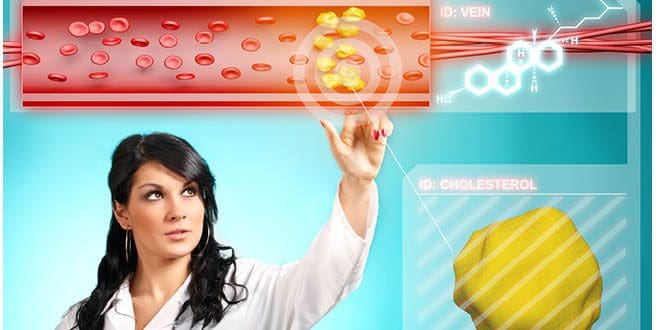
What is cholesterol?
Cholesterol is a fat-like substance called a sterol. It is hard and waxy and melts at 149°Celsius. The name cholesterol originates from the Greek words chole (bile) and stereos (solid), as it was first discovered in solid form in gallstones. Our body manufactures approximately one gram of cholesterol per day; this is predominantly in the liver, but also occurs in the intestines, adrenal glands, ovaries and testes. In fact, every cell of our body has the capacity to manufacture cholesterol if needed. We also obtain cholesterol in our diet by eating animal foods such as eggs, meat and dairy products. [...]