

New blood test for fatty liver
By naturopath Margaret Jasinska
Most people have a liver function test to check on the health of their liver. Did you know there is another blood test that strongly predicts fatty liver?
It is especially helpful in younger individuals who are not obese. These people are typically not thought to be at risk of fatty liver disease.
Researchers have found there is a strong association between blood levels of uric acid and fatty liver. Uric acid is normally elevated in people with gout. Smaller elevations in uric acid can also indicate a person has a fatty liver, even if the level isn’t high enough to cause gout.
Scientists conducted a prospective cohort study to check the association between blood uric acid levels and the risk of non alcoholic fatty liver disease in young adults under 45 years of age. None of the participants had a fatty liver at the start of the study and none of them were obese. The study ran for nearly 10 years.
Fasting uric acid levels were measured at the start, and then participants were divided into four groups, based on how much their uric acid level rose during the duration of the study. Liver health was determined using fasting abdominal ultrasound scans, with follow up conducted every 2 years.
Results found that as blood uric acid level rose, so did the accumulation of fat inside the liver. The study authors made the following statement:
“The increase of serum uric acid within the physiological range, even if it doesn’t reach the level of hyperuricemia, will impose a significant burden on the occurrence of non alcoholic fatty liver disease. Therefore, further research is needed to determine at what level serum uric acid should be ultimately controlled to be beneficial to the human body.”
Why does fatty liver raise uric acid?
Fatty liver disease occurs when excess fat accumulates in the liver. This can lead to inflammation, scarring, and eventually liver failure in some people. Non-alcoholic fatty liver disease (NAFLD) is usually caused by metabolic syndrome, obesity, and insulin resistance. Gut dysbiosis (overgrowth of unfriendly bacteria in the intestines) is often a contributing factor as well.
Gout is an inflammatory arthritis caused by the build up of uric acid crystals in joints. The build up leads to intense pain, swelling, and redness in the affected area. Gout most commonly affects the joint at the base of the big toe but can involve other joints as well. Ankles are often affected.
A person is more likely to develop gout if they suffer with obesity, high blood pressure, high cholesterol and triglycerides, and if their diet is high in sugar or alcohol.
Both fatty liver and elevated uric acid are associated with insulin resistance, obesity, and metabolic syndrome. Uric acid can contribute to the development and progression of fatty liver by promoting oxidative stress, inflammation, and scarring inside the liver.
Solutions to manage uric acid and fatty liver
The same healthy diet and lifestyle strategies can help reduce the risk of both conditions because they address the underlying insulin resistance.

Minimise or avoid alcohol
The more alcohol you drink, the greater your risk of gout. Beer is the worst type of alcohol, followed by spirits and wine.

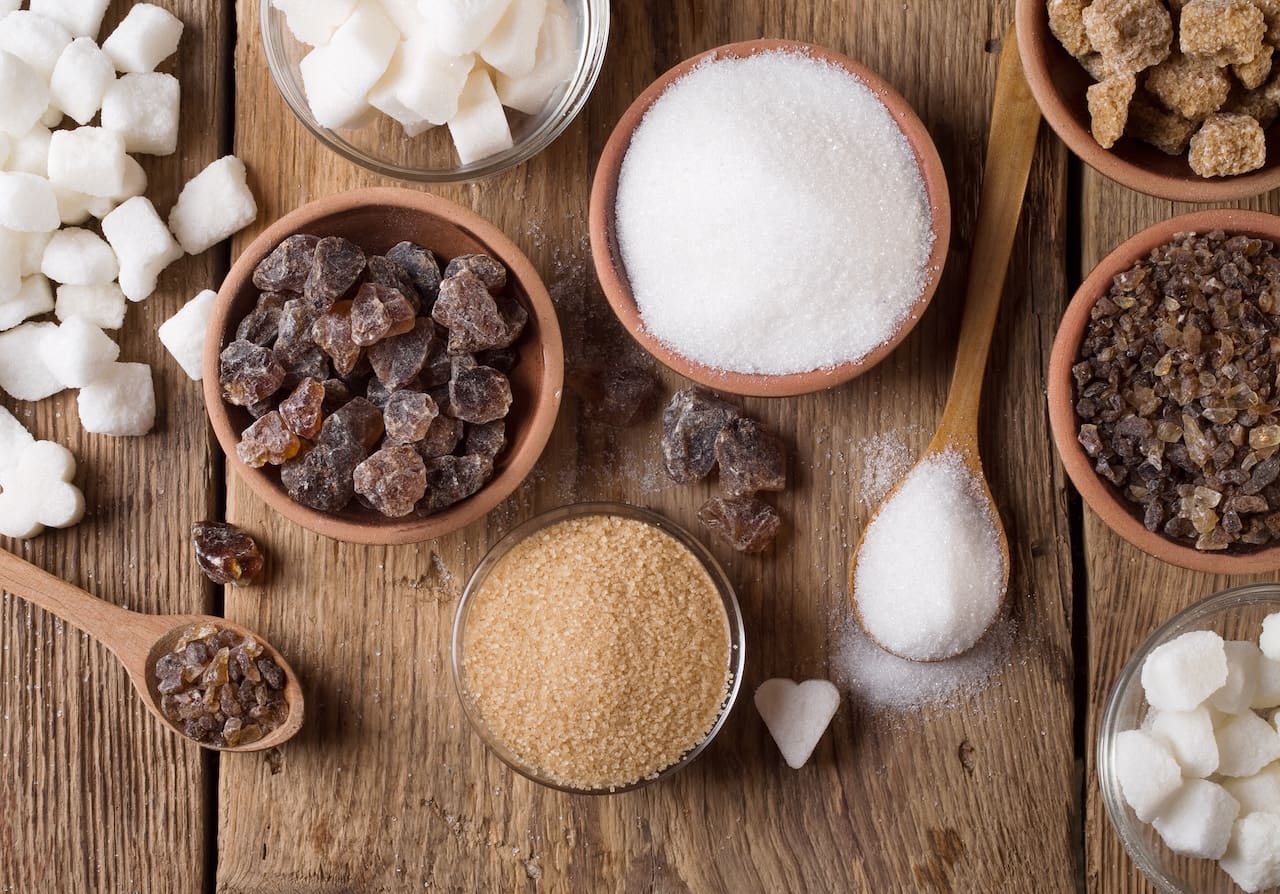
Sugar reduces your body’s ability to excrete uric acid.
Fructose is the specific sugar most strongly linked with gout. That’s because in order to use it for energy, your liver must first convert the fructose to glucose. This process creates uric acid. That means it’s important to avoid foods that contain sugar, high fructose corn syrup or fructose. Consuming too much carbohydrate in general will also make you more prone to gout. That means it’s best to reduce your intake of bread, pasta, breakfast cereals and any food that is made of flour. This is an effective way to lose weight too and there’s an eating plan plus recipes in the book called I Can’t Lose Weight and I Don’t Know Why.

Caffeine reduces your body’s ability to excrete uric acid.
Therefore it’s important to cut down on coffee, tea, energy drinks and other sources of caffeine if you are prone to elevated uric acid.

Celery helps to clear uric acid from your body and eating lots of it can shorten the duration of a gout attack.
Celery is a natural diuretic and supports healthy kidney function. You can include celery in raw vegetable juices, eat it raw in salads or cooked in soups. The book Raw Juices Can Save Your Life contains a vast array of healthy raw juice recipes.
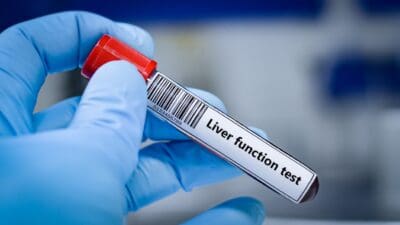
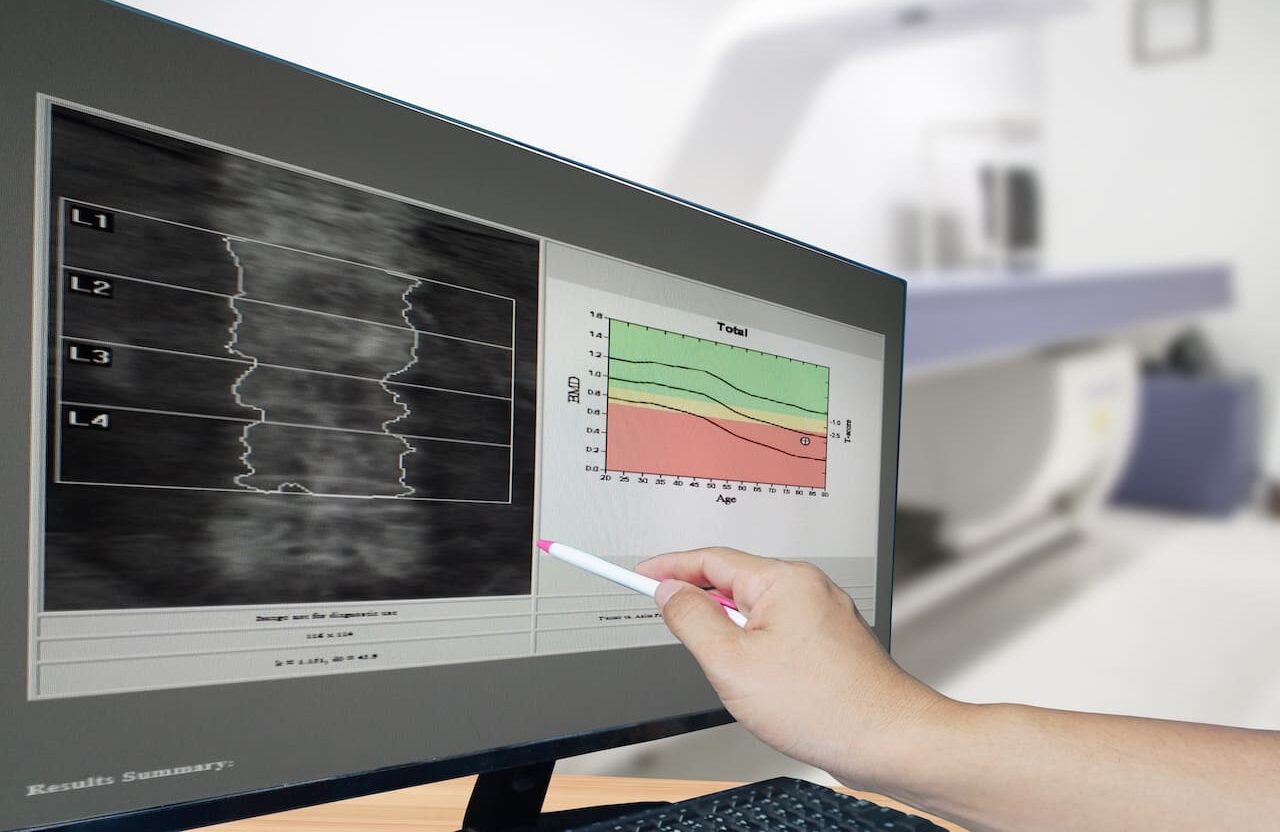
Have a blood test and ultrasound scan of your liver to check if you have a fatty liver.
Often there are no symptoms, but having a fatty liver increases the risk of a lot of different health problems, especially a heart attack or stroke. See the book Fatty Liver: You Can Reverse It for practical tips on how to reverse fatty liver.



Leave A Comment