

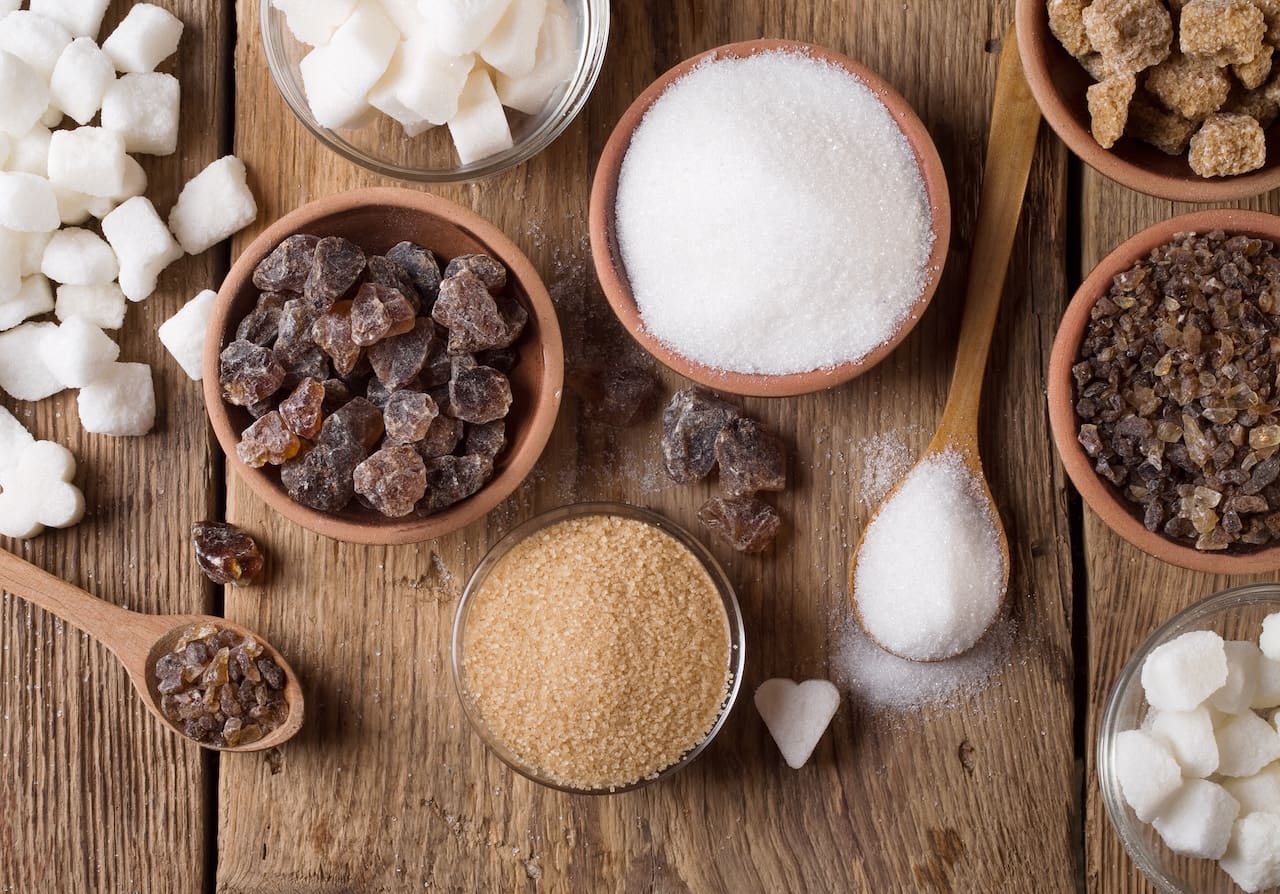
10 Easy Ways to Cut Back on Sugar
By naturopath Margaret Jasinska
Sugar hides in more places than you’d expect — sauces, dressings, and drinks can all contain a surprising amount. Foods that don’t even taste sweet can contain a lot of sugar. Carefully reading food labels and mostly choosing whole foods over processed ones is your best defence.
Consuming too much sugar isn’t good for your health. The added sugar found in processed foods can raise your risk of obesity, type 2 diabetes, heart disease, cancer, and dental problems. Eating sugar can also make you feel hungrier and have more cravings. That makes it harder to stick to appropriate portion sizes and achieve weight loss if that’s what you’re seeking.
Cutting sugar isn’t always easy. Here are some strategies that may help.

1.Try to avoid drinking sugary drinks
Sugary drinks are a big source of added sugar in the average person’s diet. Even drinks marketed as healthy, like juices and smoothies, can be loaded with it. Unlike food, liquid calories don’t make you feel full, so you end up consuming more overall. Better options include water, sparkling water with natural flavours, herbal teas, coffee, and black or green tea. Nature Sweet natural sugar alternative is a healthy sugar substitute.
2.Watch out for sugary sauces
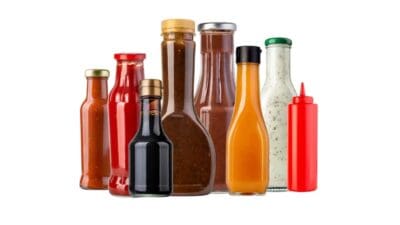
Ketchup, barbecue sauce, and spaghetti sauce may seem harmless, but they’re often packed with sugar. A single tablespoon of ketchup contains about a teaspoon of sugar — making it nearly 29% sugar by weight. Look for condiments with no added sugar or seed oils, or season your food with herbs, spices, mustard, vinegar, pesto, or citrus juice instead.

3.Choose full-fat over low-fat
Low-fat versions of foods like yogurt and salad dressing might seem like the healthier choice, but manufacturers often replace the fat with sugar to maintain flavour. A serving of low-fat vanilla yogurt usually contains around 24 grams of sugar compared to just 8 grams in full-fat plain yogurt — and more calories too. When reducing sugar, full-fat options are often the healthier and more satiating choice.
4.Eat whole foods most of the time
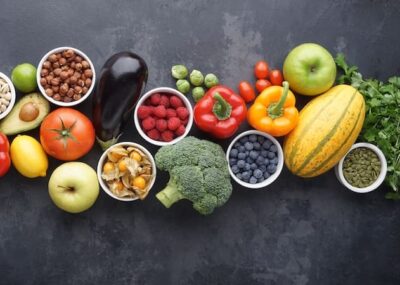
Whole foods — fruits, vegetables, nuts, seeds and unprocessed meats contain no added sugars or artificial ingredients. Cooking from scratch with simple preparations like roasted meat and vegetables puts you in control of what goes into your meals.
5.Don’t be fooled by “healthy” marketing
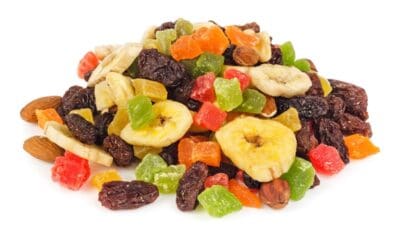
Muesli bars, protein bars, and dried fruit are often marketed as nutritious, but many contain as much sugar as confectionary. Dried fruit, while full of fibre and antioxidants, is also high in concentrated natural sugars. Better snack choices include nuts and seeds, hard-boiled eggs, no-sugar-added jerky, and fresh fruit.

6.Make sure your breakfast isn’t giving you a glucose spike
Many people start their day with a sweet, high carbohydrate breakfast. This can cause your blood sugar and insulin to rise. Elevated insulin can inhibit fat burning. A rise in blood sugar can lead to a subsequent crash later on, leading to hunger and cravings. Popular breakfast cereals contain more than half their weight in added sugar and granola is often the worst offender despite its healthy marketing. Eggs, full fat yogurt or dinner leftovers are high protein and satiating options. A protein and fiber-rich breakfast keeps you fuller longer and reduces mid-morning snacking.

7.Learn to read labels
Sugar shows up in unexpected places, which is why reading ingredient labels matters. Ideally try to mostly eat foods that don’t have an ingredients list, but it’s good to know that sugar goes by more than 50 different names, including high fructose corn syrup, dextrose, maltose, rice syrup, invert sugar, molasses, and caramel, plus many others.
8.Base your diet on protein
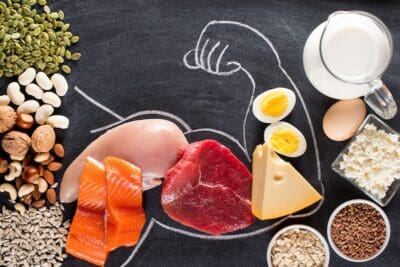
A high-sugar diet is linked to increased appetite and cravings. Protein works in the opposite direction; it promotes fullness and reduces the urge to snack. Many of my female patients eat toddler portions of protein . Stock up on protein-rich foods like eggs, meat, seafood, poultry, full-fat dairy products, whey protein powder, nuts and seeds to help keep sugar cravings at bay.

9.Don’t keep sugary foods in the house
If sugary snacks are within easy reach, you’re much more likely to eat them eventually. Maybe not today, but you’ll get tired or hungry or emotional eventually, and then may end up eating something you regret.

10.Realise how important sleep is
Poor sleep affects more than your energy levels; it also influences what you eat. People who don’t get enough sleep tend to consume more fast food, sugary drinks, and high-calorie snacks. That’s because it increases hunger hormones and insulin resistance. If you haven’t slept well, make sure you don’t have tempting foods within easy reach.
Many people consume far more added sugar than ideal, and a lot of it comes from sources that don’t seem obviously sweet. The most effective long-term strategy is building your diet around whole, minimally processed foods, while staying aware of where hidden sugars tend to hide.
For additional weight loss and healthy eating tips, see the book I Can Lose Weight and I don’t know why.




Leave A Comment