

HEALTH HUB Latest Articles

Emulsifiers in processed foods could be destroying your gut
Emulsifiers in processed foods could be destroying your gut By naturopath Margaret Jasinska Emulsifiers are a type of food additive found in a wide variety of processed foods. Recent research shows they can cause serious harm to your gut. They promote leaky gut and raise the risk of inflammatory bowel disease, obesity and even colon cancer. Check food labels carefully because you’d be shocked to discover the range of foods they are added to. What are emulsifiers? Emulsifiers are food additives used to prevent separation in processed foods. They enable oils or fats and water to mix together, [...]

Improve your child’s health
Improve your child's health By Dr Sandra Cabot Many parents are concerned about the health of their children who suffer with recurrent problems such as respiratory infections, sinus and ear infections, asthma and allergies. These children may become dependent on frequent antibiotic drugs, and/or inhalers and sprays containing Ventolin and steroids. These drugs temporarily control the symptoms but do nothing to treat the cause and that’s why the problems keep recurring. The childhood years pass so quickly, and no parent wants to see their child missing out on the magical experiences of childhood because of poor health. The [...]
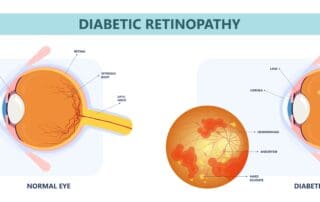
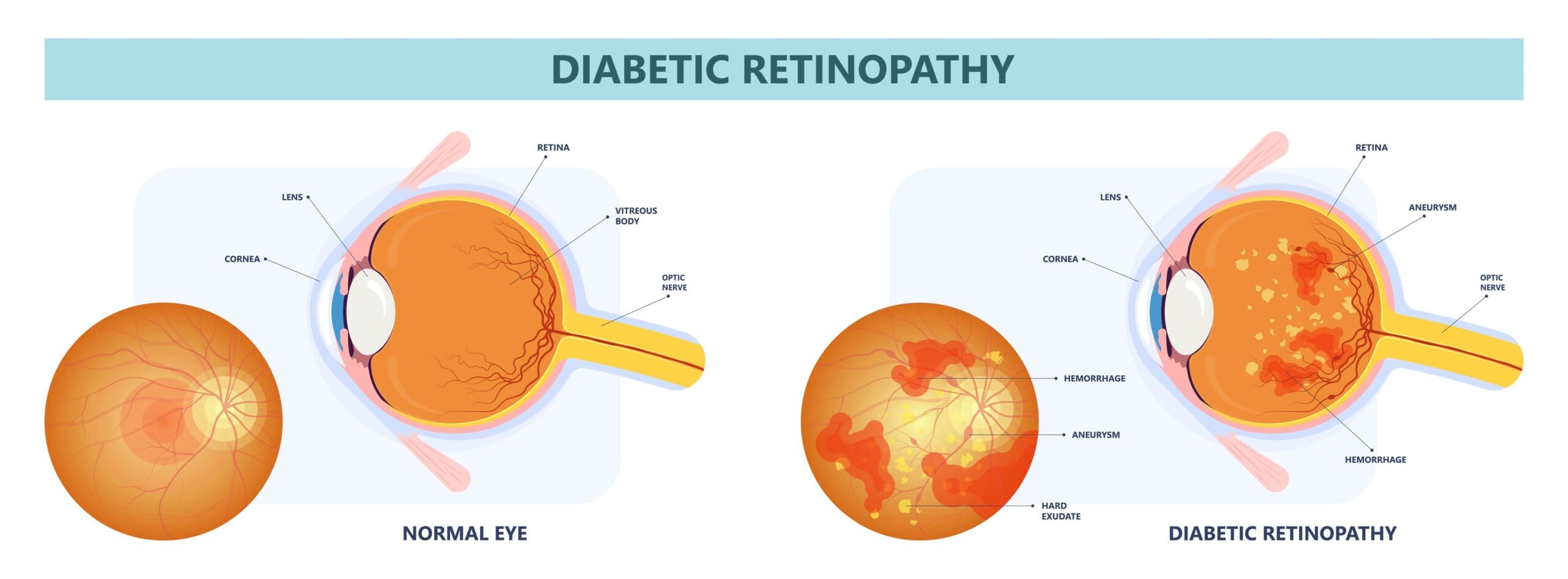
Eye disease in diabetics may be dementia warning
Eye disease in diabetics may be dementia warning By naturopath Margaret Jasinska New research has shown that diabetics with retinopathy are at higher risk of dementia. The worse the eye disease, the greater the risk for dementia. The retina of the eye is comprised of nerve tissue. Damage to nerves of the eyes is a good clue to indicate that nerve damage is also occurring in the brain. All diabetics are at higher risk of dementia than people with normal blood sugar. This new study has shown that diabetics with significant retinopathy are at highest risk of dementia. [...]

High blood sugar worsens menopause symptoms
High blood sugar worsens menopause symptoms By naturopath Margaret Jasinska Did you know that hot flushes, night sweats and other menopause symptoms can be much worse in people with high blood sugar? Diabetics typically experience worse menopause symptoms, and so can pre-diabetics and people who experience a glucose spike after meals. Keeping your blood sugar in the healthy range can make your menopause years much easier and more pleasant. Menopause Menopause is a life transition that many women fear and dread. You may know an older female who experienced debilitating symptoms and you’re worried about going through the [...]

Men with diabetes face higher prostate risk
Men with diabetes face higher prostate risk By naturopath Margaret Jasinska Men with type 2 diabetes are at risk of developing an enlarged prostate. This is referred to as benign prostatic hyperplasia. Diabetics also tend to have faster progression of enlargement and more troublesome symptoms. Benign prostatic hyperplasia (BPH) is a non cancerous enlargement of the prostate gland. It is very common, affecting more than 50 percent of men in their 60s and older. It is normal and expected for the prostate gland to enlarge as men get older. BPH occurs when the enlargement has reached such an [...]
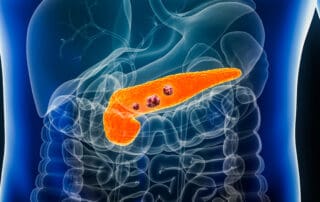
Fatty liver almost doubles pancreatic cancer risk
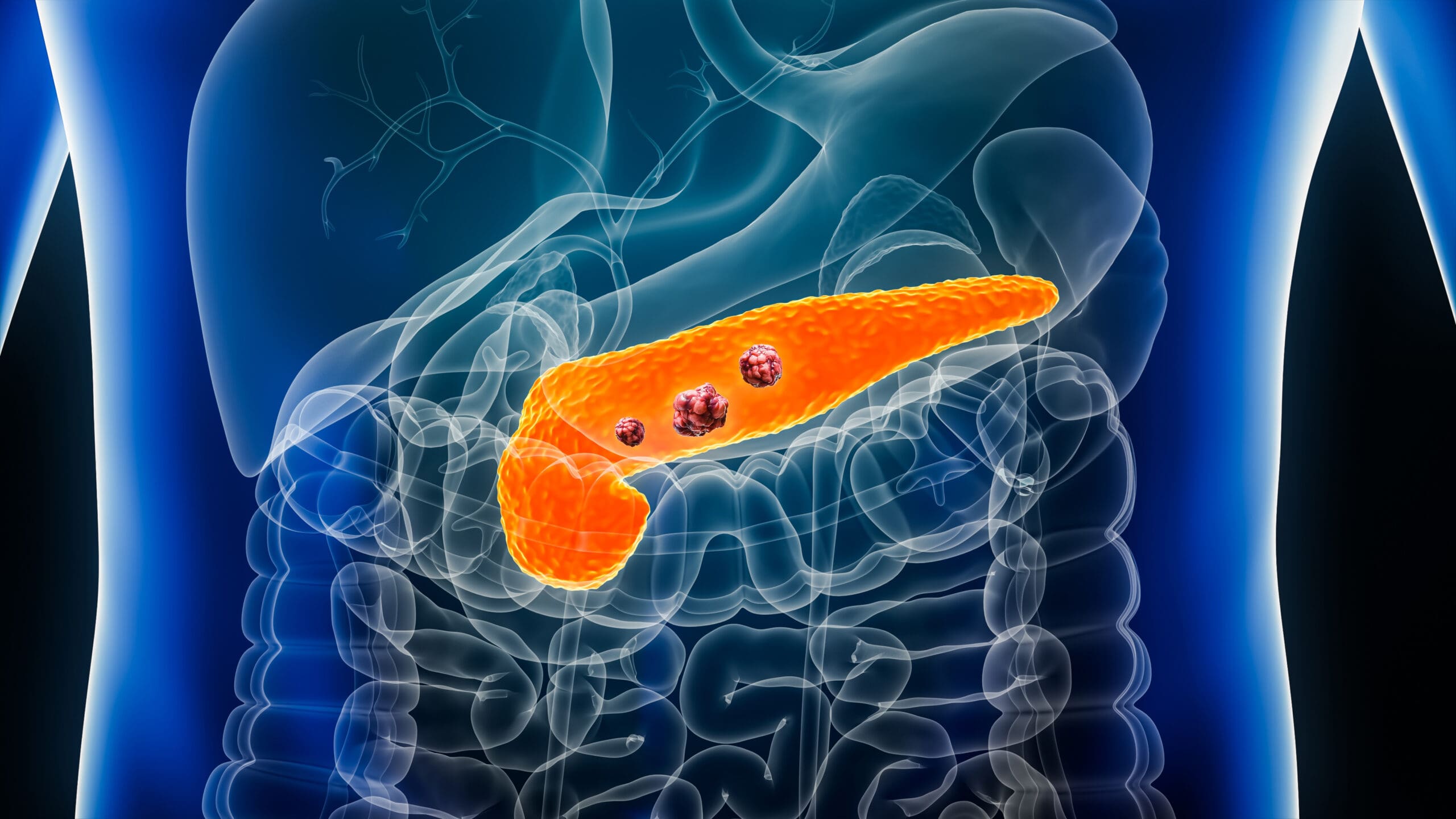
Fatty liver almost doubles pancreatic cancer risk By naturopath Margaret Jasinska Rates of pancreatic cancer are rising. It is a very difficult type of cancer to treat because it is usually diagnosed late. Fatty liver is a valuable clue to know who is most at risk. Fatty liver is an incredibly common condition that affects approximately 40 percent of the Australian population. It is not a harmless condition. Fatty liver is well known to raise the risk of heart attacks, strokes and type 2 diabetes. New research shows it increases the risk of pancreatic cancer. This is one [...]

Uterine fibroids linked to higher heart disease risk
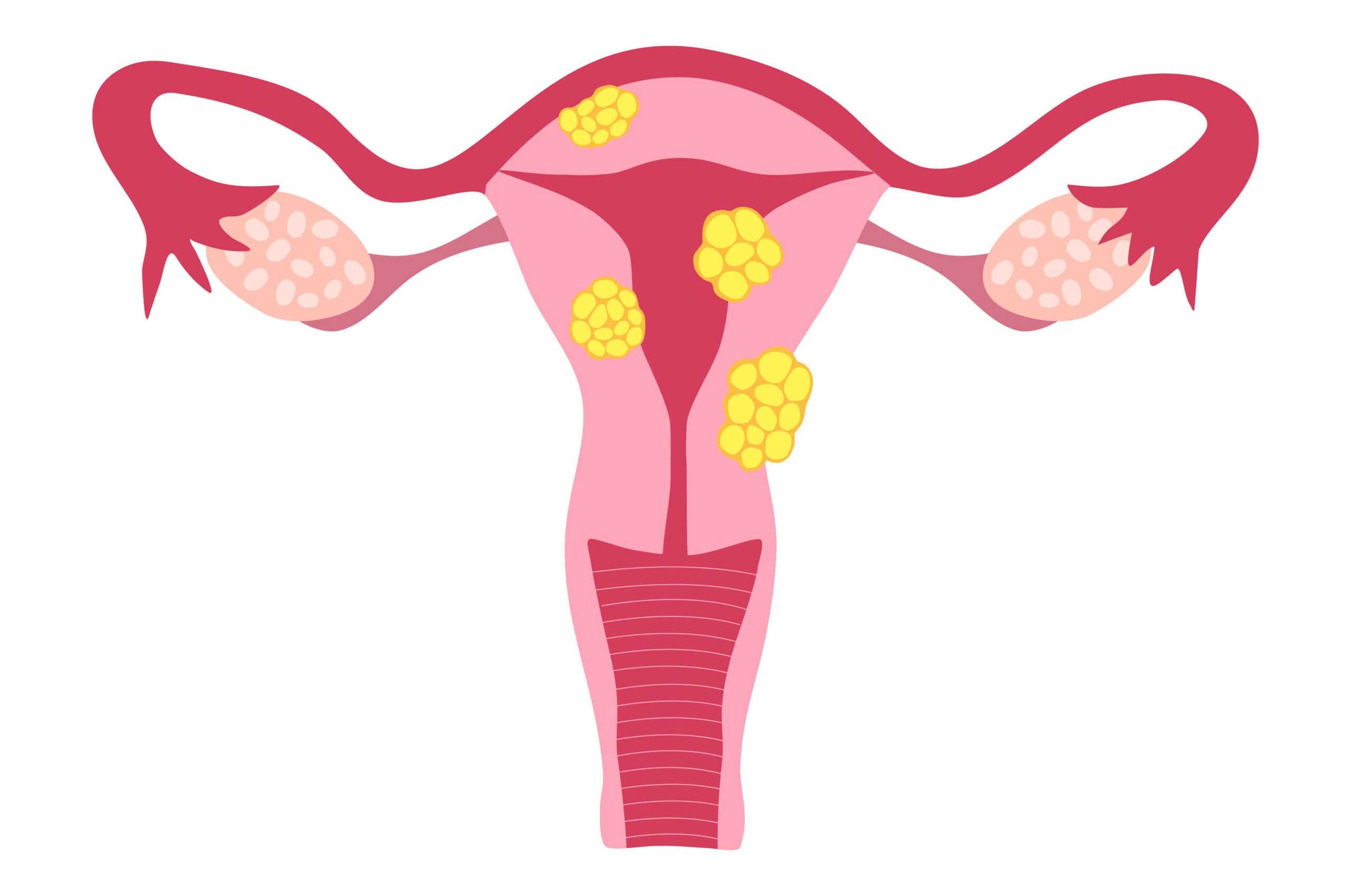
Uterine fibroids linked to higher heart disease risk By naturopath Margaret Jasinska Recent figures from a large US population based study have discovered uterine fibroids are a sign of increased atherosclerotic heart disease, especially if they occur in women younger than 40 years. The results showed women with fibroids had a higher risk of coronary artery disease, cerebrovascular disease (stroke), and peripheral artery disease in 10 years compared to those who didn’t have fibroids. The analysis was published in the Journal of the American Heart Association and involved 450,177 women with fibroids and 2,250,885 women without fibroids between [...]

Are chemicals in your cosmetics having a detrimental effect on your thyroid?
Are chemicals in your cosmetics having a detrimental effect on your thyroid? By naturopath Margaret Jasinska Research published in the Journal of Clinical Endocrinology & Metabolism has shown that a class of chemicals called perfluorinated chemicals (PFCs) can alter thyroid function in men and women. The effects seem to be worse in women. PFCs are known as endocrine disruptors, because they are capable of adversely altering the body’s hormone levels. They seem to target thyroid hormones in particular. Unfortunately, it’s impossible to completely avoid perfluorinated chemicals because they are used to manufacture so many items, including fabrics, carpets, [...]

The shape of your butt can determine your diabetes risk
The shape of your butt can determine your diabetes risk By naturopath Margaret Jasinska New research has shown that the shape of your largest butt muscle (called the gluteus maximus) can help determine how likely you are to develop type 2 diabetes. This can be an early warning sign to take care of your blood sugar level. Researchers in the UK used 3D MRI to examine how age related changes in the shape of a person’s gluteus maximus muscle were associated with type 2 diabetes risk, and the results differed by gender. The amount of muscle on your [...]






A gluten free diet helps improve multiple sclerosis
A gluten free diet helps improve multiple sclerosis By naturopath Margaret Jasinska Avoiding gluten can reduce inflammation and improve symptoms in people with multiple sclerosis. A study found that following a gluten free diet for 6 months significantly improved the health of people with multiple sclerosis who didn’t have coeliac disease. It’s important to remember that gluten can harm the gut and raise inflammation in all autoimmune conditions, not just coeliac disease. A study published in the journal Science Direct followed 54 adult women who were diagnosed with relapsing remitting multiple sclerosis. The study lasted 6 months. The [...]