


High fibre diet not good for everyone’s gut health
By naturopath Margaret Jasinska
Increasing the amount of fibre in your diet seems to be the current recommendation from almost all medical practitioners. Fibre is purported to feed your microbiome and enable you to have regular bowel motions.
The truth is fibre doesn’t benefit everyone’s gut. Individuals with an inflamed gut or those with autoimmune disease can feel worse if they eat more fibre. There are also different types of fibre; some may help while others may harm.
People with coeliac disease may not benefit from fibre
A study published in the journal Nature Communications found that people with coeliac disease had significantly reduced capacity to metabolise dietary fibre in the small intestine. This is because they lacked a necessary fibre-digesting bacterial family in their gut called Prevotellaceae. This is a group of bacteria that help support gut healing and regulate inflammation.
When people with coeliac disease consume a high fibre diet, they are more likely to experience abdominal bloating and irritable bowel symptoms. They are not able to produce the short chain fatty acids from the breakdown of fibre that are supposed to nourish the cells that line the intestines.
Fibre can make inflammatory bowel disease worse
A study published in the journal Gastroenterology found that unfermented β-fructan fibre fuels inflammation in some inflammatory bowel disease patients. This type of fibre increased production of inflammatory cytokines, worsened symptoms and increased disease severity in some patients with Crohn’s disease and ulcerative colitis. Again, this was because these patients lacked the necessary gut microbes to break down this type of fibre. β-fructan fibre is found in foods such as wheat, onion, garlic, rye, barley, asparagus, artichokes, and watermelon. It might be worth avoiding them if you have inflammatory bowel disease.
A high fibre diet can worsen rheumatoid arthritis
A study published in the journal Cellular & Molecular Immunology showed that people with rheumatoid arthritis typically have a disturbed gut microbiome balance. They often have an overgrowth of the bacterium Prevotella copri, and a high fibre diet in those people increases intestinal inflammation and aggravates arthritis symptoms. Here is a quote from the study: “Our findings highlight the importance of dysbiosis when evaluating the effects of dietary interventions on RA pathogenesis and provide new insight into dietary interventions or microbiome modifications to improve RA management”.
Fibre may not be your friend
I often say that fibre is healthy for people with excellent gut health. Most of my patients don’t have excellent gut health. They are dealing with gut symptoms or a leaky gut or autoimmune disease. When there is an overgrowth of the wrong gut bacteria and yeast, fibre can make the situation worse by feeding the wrong gut bugs and worsening symptoms. I think this is the reason why very low carb diets such as ketogenic diets, the GAPS diet, low FODMAP diet and carnivore diet can offer such amazing symptom relief and health improvements for many of our patients.
Gentle ways to heal your gut

IBS symptoms
If you are dealing with the symptoms of medically diagnosed irritable bowel syndrome, you probably have small intestinal microbial overgrowth and dysbiosis. The clove, oregano, thyme and berberine in BactoClear capsules can help. When there is an overgrowth of the wrong gut bugs, they crowd out the good bugs, inhibiting their growth.

Glutamine
Glutamine is an amino acid used for fuel by cells that line your gut. It can help to build and repair the gut lining when it is leaky and irritated. Glutamine is a large component of Ultimate Gut Health powder where it is combined with slippery elm, aloe vera and a probiotic to reduce gut inflammation. It is dissolved in water and taken away from food once or twice daily.

Bone broth
Bone broth and meat stock are gentle and healing to the gut lining. Bone broth can be too high in histamine for very sensitive individuals. Meat stock is usually better tolerated. This just means tough cuts of meat that have been cooked in water, such as lamb shanks, osso bucco, chuck steak, beef cheeks or ox tail. Using a pressure cooker and freezing leftovers minimises histamine production.
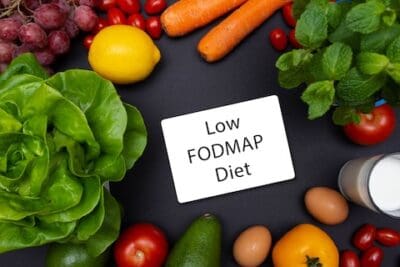
Low FODMAP
Low FODMAP vegetables are usually well tolerated by most people with gut inflammation or autoimmune disease. Some examples include carrot, zucchini, pumpkin, cucumber, lettuce, fresh herbs, spinach, silver beet, bok choy and similar. These foods contain fibre that is usually well tolerated and gentle.
For more detailed information about gut health and autoimmunity, see our book Healing Autoimmune Disease: A plan to help your immune system and reduce inflammation.







Leave A Comment