


This vitamin deficiency raises risk of uterine fibroids
Uterine fibroids are non-cancerous growths on the uterus that are extremely common. They affect 70 to 80 percent of women by the age of 50. They can cause heavy or prolonged menstrual bleeding, pelvic pain and they are the most common reason for hysterectomy.
Getting adequate vitamin D can help to prevent fibroids from developing in the first place, but it can also help to shrink fibroids that are already present.
Vitamin D is manufactured in your skin when you go out into the sun. The sun’s UVB rays convert the cholesterol in your skin into vitamin D. Many people have insufficient vitamin D in their body because they don’t obtain enough sunshine. You can ask your doctor for a vitamin D blood test.
Often, fibroids don’t cause any symptoms at all. Typical symptoms include heavy and prolonged menstrual bleeding, and sometimes lower abdominal pain, a sensation of fullness, or dragging feeling in the pelvis. If fibroids exert pressure on the bladder then painful and frequent urination may develop, while pressure on the bowel can cause backache and constipation. An ultrasound scan of the uterus is the usual way to diagnose fibroids.
Other risk factors for developing uterine fibroids:
- Being overweight
- High blood insulin levels
- Early age of the start of menstruation
- Late age of menopause
- High alcohol intake
- High intake of dairy products and sugar
- Poor liver health, resulting in poor breakdown and excretion of oestrogen
- Constipation, leading to recirculation of oestrogen
- Progesterone deficiency
Natural remedies for fibroids

Try to achieve a healthy body weight. Being overweight is a risk factor because it means your body produces more insulin than is ideal. Insulin is a growth promoting hormone. Also, body fat can produce oestrogen, fuelling fibroid growth. Follow the easy guidelines in the book I Can’t Lose Weight and I Don’t Know Why.
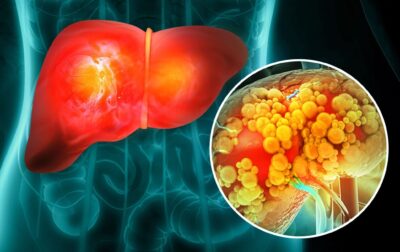
Find out if you have a fatty liver. If so, your liver won’t break down hormones efficiently, allowing a build up. See the book Fatty Liver: You Can Reverse It for effective strategies.
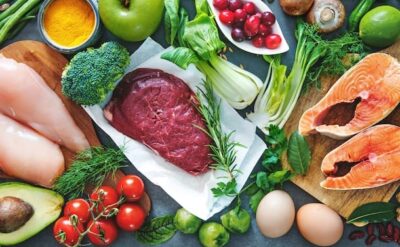
Reduce foods and drinks in your diet that raise inflammation. That’s mainly sugar, high carbohydrate foods, alcohol, dairy products and artificial food additives. It’s best to base your diet on animal protein such as poultry, seafood, eggs and meat, along with lots of vegetables. Nuts, seeds and spices contain small amounts of phyto-estrogens, which help reduce the growth-promoting effects of your body’s own oestrogen.
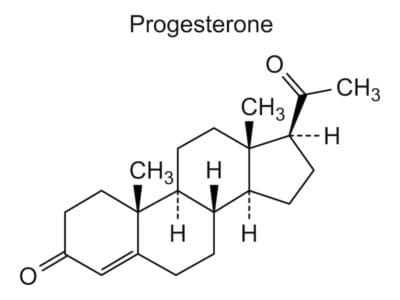
Supplemental progesterone can help. Insufficient progesterone production is a major problem in modern society. Women over the age of 35 naturally don’t produce as much progesterone anymore and this is why their fertility declines. Progesterone helps to balance the growth-stimulating effects of oestrogen. Natural progesterone cream or capsules are very helpful for fibroids. They requires a doctor’s prescription. Contact us if you’d like more information.

Being low in vitamin D worsens lumps and bumps in the body such as fibroids, polyps and cysts. For many people it’s not possible or safe to be outside in the sun often enough to produce sufficient vitamin D. Ask your doctor for a vitamin D blood test.





Leave A Comment