

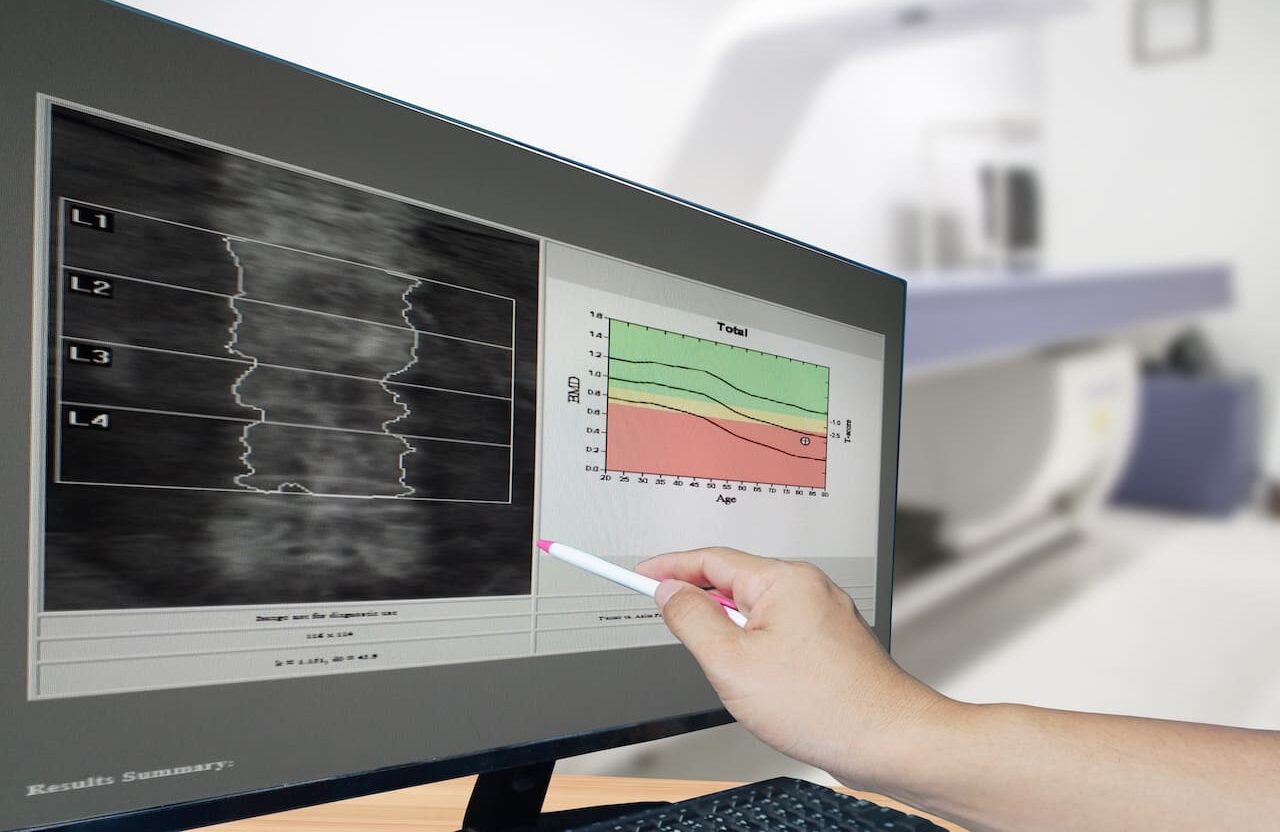
Your bone scan may reveal more than just fracture risk
By naturopath Margaret Jasinska
New research suggests that low bone density in older women is linked to a significantly higher risk of death and may be a window into overall health decline.
Most people know that osteoporosis, the thinning and weakening of bones raises the risk of fractures. But a new study published in the journal Menopause suggests it may also signal something deeper: an increased risk of dying sooner, from any cause.
Researchers analysed data from nearly 3,000 postmenopausal women who took part in the US National Health and Nutrition Examination Survey between 2005 and 2018. Each woman had her bone mineral density (BMD) measured at the hip using a scan called DEXA, and their health outcomes were tracked for an average of just over seven years.
Women whose hip BMD was low enough to be classified as osteoporosis had a 47% higher risk of dying during the study period, even after accounting for other factors like age, weight, and existing health conditions. The death rate among women with osteoporosis was 27.7%, compared with just 11% in those without it.
One interesting finding was that bone density was actually a better predictor of mortality than BMI (the standard measure of body weight relative to height).
People with osteoporosis usually have weak muscles
According to the study authors, “Patients with sarcopenia (low muscle mass) may have normal BMI due to high fat mass, but sarcopenic patients are likely to have overall poor health. Additionally, BMI does not account for physical activity, mechanical loading, calcium and vitamin D intake, all of which can affect bone mineral density.”
Sarcopenia is the gradual loss of muscle mass and strength that often comes with ageing. Someone with significant muscle loss usually also has bone loss. They are more likely to become frail and weak and have poor balance earlier in life.
Does treating osteoporosis reduce the risk of early death?
One might assume that if low bone density predicts a higher risk of death, then treatments to improve bone density should lower that risk. According to the study authors, “Prior studies have not consistently shown improvement in mortality with osteoporosis treatments and improved bone mineral density, so it would be difficult to make treatment decisions based on this data on mortality alone.”
Osteoporosis is usually an indicator of overall malnutrition due to insufficient nutrient intake or poor absorption due to gut problems.
A bone density scan may be a useful signal that a woman’s overall health warrants closer attention, but improving the bone density alone may not be the whole answer.
What this means for the health of older women
The study adds to a growing body of evidence that bone density is more than just a measure of fracture risk; it may reflect broader physical decline. For postmenopausal women especially, a low BMD reading could be a prompt to look more closely at nutrition, physical activity, muscle health, and fall prevention, not just bone-strengthening medications.
Calcium Complete tablets contain vitamins and minerals in addition to calcium, to improve bone health.
Ultimate Muscle Food powder contains nutrients that help to preserve and maintain muscle mass in ageing individuals.
Reference:
Menopause (2025). Data from the National Health and Nutrition Examination Survey, 2005–2018.




Leave A Comment