


Why kids get sick so often and what you can do about it
By naturopath Margaret Jasinska
If your child seems to catch every cold going around, you’re not alone. Most young children get six to eight respiratory infections a year. Some paediatric authorities say that 12 infections a year is normal, but we don’t agree with that. One infection a month may be common but it’s not healthy.
Frequent infections in a child can feel exhausting and worrying, but it’s actually a typical part of growing up. There are ways to make infections less frequent and less severe. Having a sick child in the house can be exhausting for everyone and rob the entire household of sleep.
Why Children Get Infections So Frequently
Children’s immune systems are still learning. Unlike adults, who have spent years building up immunity to hundreds of viruses and bacteria, young children are encountering most germs for the very first time. Every infection is essentially a training session for their immune system.
There are a few other reasons kids are more vulnerable
They spend time in close contact with others; daycare centres, playgrounds, and classrooms are perfect environments for germs to spread.
Kids typically touch their faces constantly. The eyes, nose, and mouth are the main entry points for viruses.
A child’s immune defences are still maturing. Some immune cells and antibodies don’t reach full strength until a child is around 7 to 8 years old.
The Role of Nutrition in Immune Health
One of the most powerful things a parent can do is ensure their child eats well. The immune system is a complex network of cells, tissues, and proteins that requires a steady supply of nutrients to function properly. Vitamins like C and D often get the most attention, but minerals are equally important and frequently overlooked.
Key Minerals for a Strong Immune System
Zinc
Zinc is arguably the most important mineral for immune function. It helps produce and activate immune cells called T-lymphocytes, which identify and destroy harmful invaders. Even mild zinc deficiency can reduce the body’s ability to fight infection.
Good sources of zinc include meat, shellfish (especially oysters), seeds, nuts, and dairy products. Many children are fussy eaters, which can make zinc intake a challenge.
Iron
Iron is essential for transporting oxygen around the body, but it also plays a direct role in immunity. It supports the growth and activity of immune cells. Iron deficiency is one of the most common nutritional deficiencies in children worldwide and is linked to increased susceptibility to infection.
Red meat and dark leafy greens are good sources. Pairing iron-rich foods with vitamin C (found in all vegetables) helps the body absorb iron more efficiently.
Selenium
Selenium supports the production of antioxidants that protect immune cells from damage. It also helps regulate inflammation by assisting with glutathione production. Brazil nuts, fish and eggs contain selenium.
Iodine
Iodine supports the immune system by acting as an antimicrobial agent, reducing inflammation, and enabling healthy activity of white blood cells. It is mostly known for thyroid hormone production, but plays several critical roles in keeping your immune response healthy and balanced.
Childrens Immune Strength powder is a blend of vitamin C, selenium, iodine, zinc and the herb black elder flower. The ingredients have been traditionally used in European herbal medicine to relieve symptoms of colds and flu and reduce the severity of symptoms of mild upper respiratory tract infections. It can be used in children and adults and has a delicious natural strawberry vanilla flavour.
Alongside good nutrition, simple daily habits can make a real difference
- Encourage regular handwashing using soap and warm water before meals and after using the toilet.
- Prioritise sleep. The immune system does much of its repair work during sleep. School-age children need 9 to 11 hours per night. A lot of children get less than this due to after school activities.
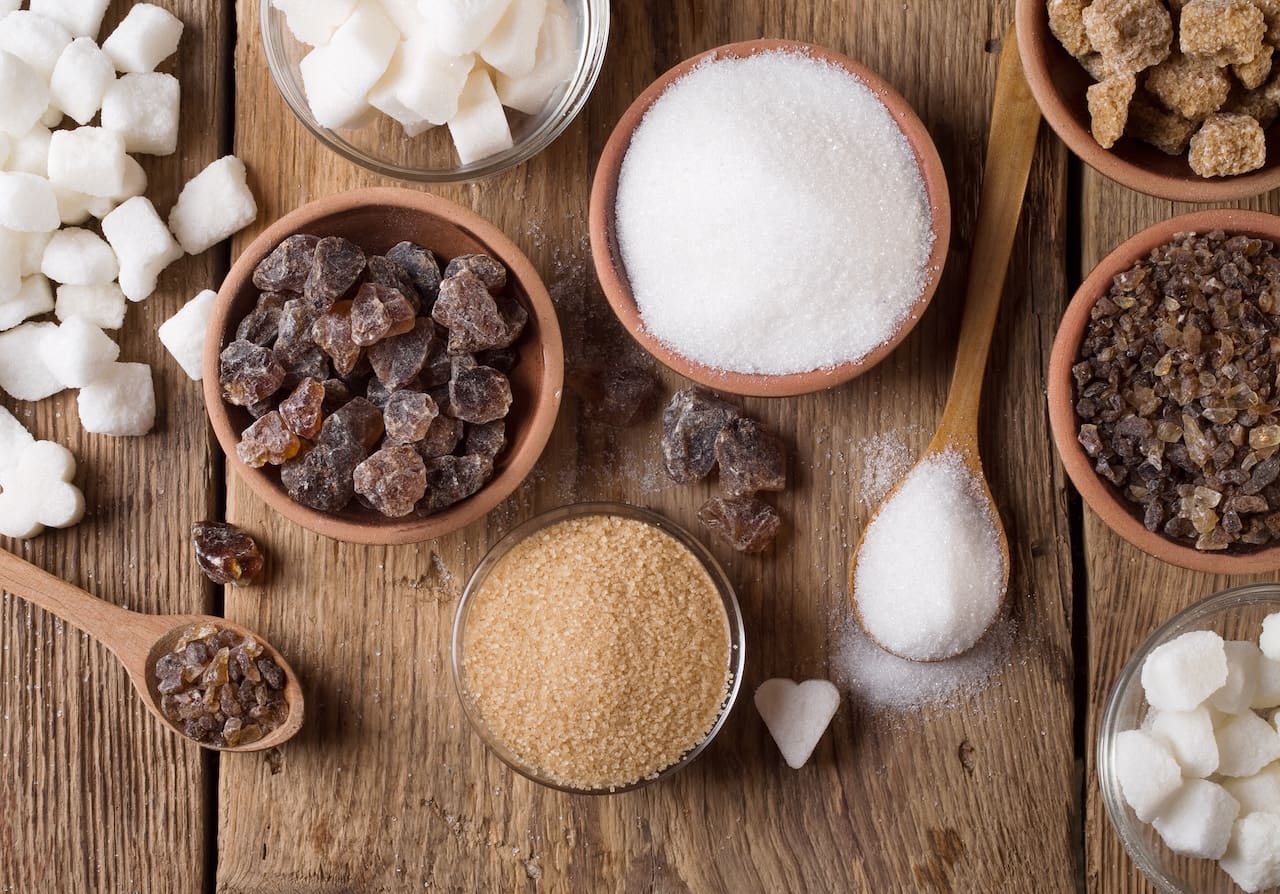
- Limit sugar. Excess sugar can temporarily suppress the function of white blood cells.
- Encourage outdoor time. Fresh air, sunshine (for vitamin D), and physical activity all support immune health.
- Remember that infections during youth build up and train the immune system to better deal with infections when we are elderly.
When to See a Doctor
Most childhood illnesses are viral and will resolve on their own. However, speak to your doctor if your child has infections that are unusually severe, last a long time, require repeated antibiotics, or affect other parts of the body besides the respiratory tract. In rare cases, frequent infections can signal an underlying immune deficiency that warrants investigation.





Leave A Comment