

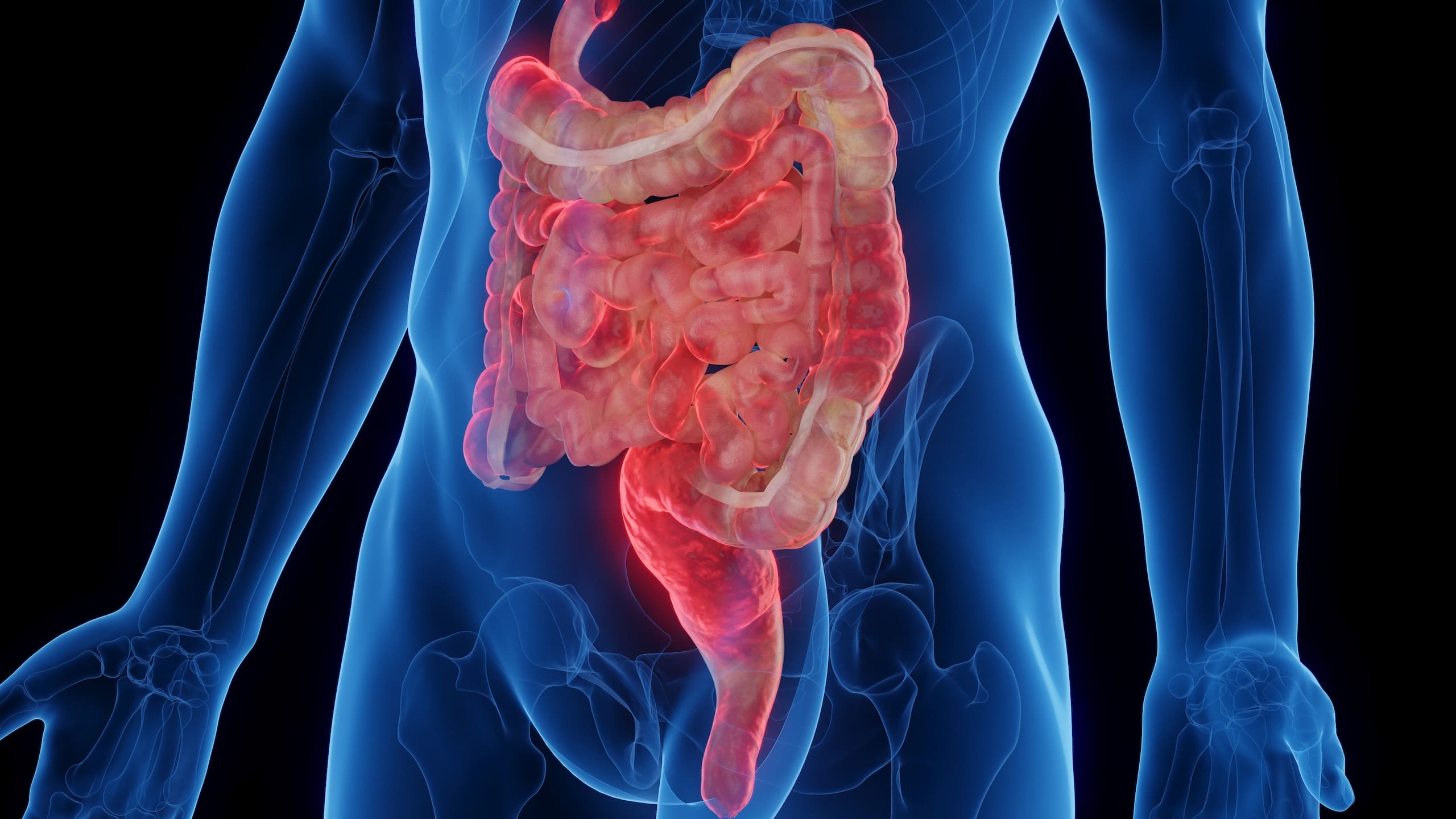
Visceral fat aggravates Crohn’s disease
By naturopath Margaret Jasinska
Did you know people with more abdominal fat who have Crohn’s disease are at risk of a more aggressive form of the disease? More flare ups, more difficult to control with medication and a higher risk of complications requiring surgery. Visceral fat produces inflammatory chemicals that act as petrol on a fire, to increase inflammation.
Crohn’s disease is a common type of inflammatory bowel disease. It’s an autoimmune condition whereby the immune system attacks components of the digestive tract. It can affect any part of the gastrointestinal tract from the oesophagus to the anus. However, it most often attacks the last part of the small intestine where it joins the colon in the ileo-cecal area.
In Crohn’s disease, all layers of the bowel can be affected. The inflammation may eventually result in deep scarring leading to narrowing of the intestinal lumen.
There are 2 main types of fat on the human body. Subcutaneous fat (the type found just under the skin), and visceral fat (deeper fat in and around organs).
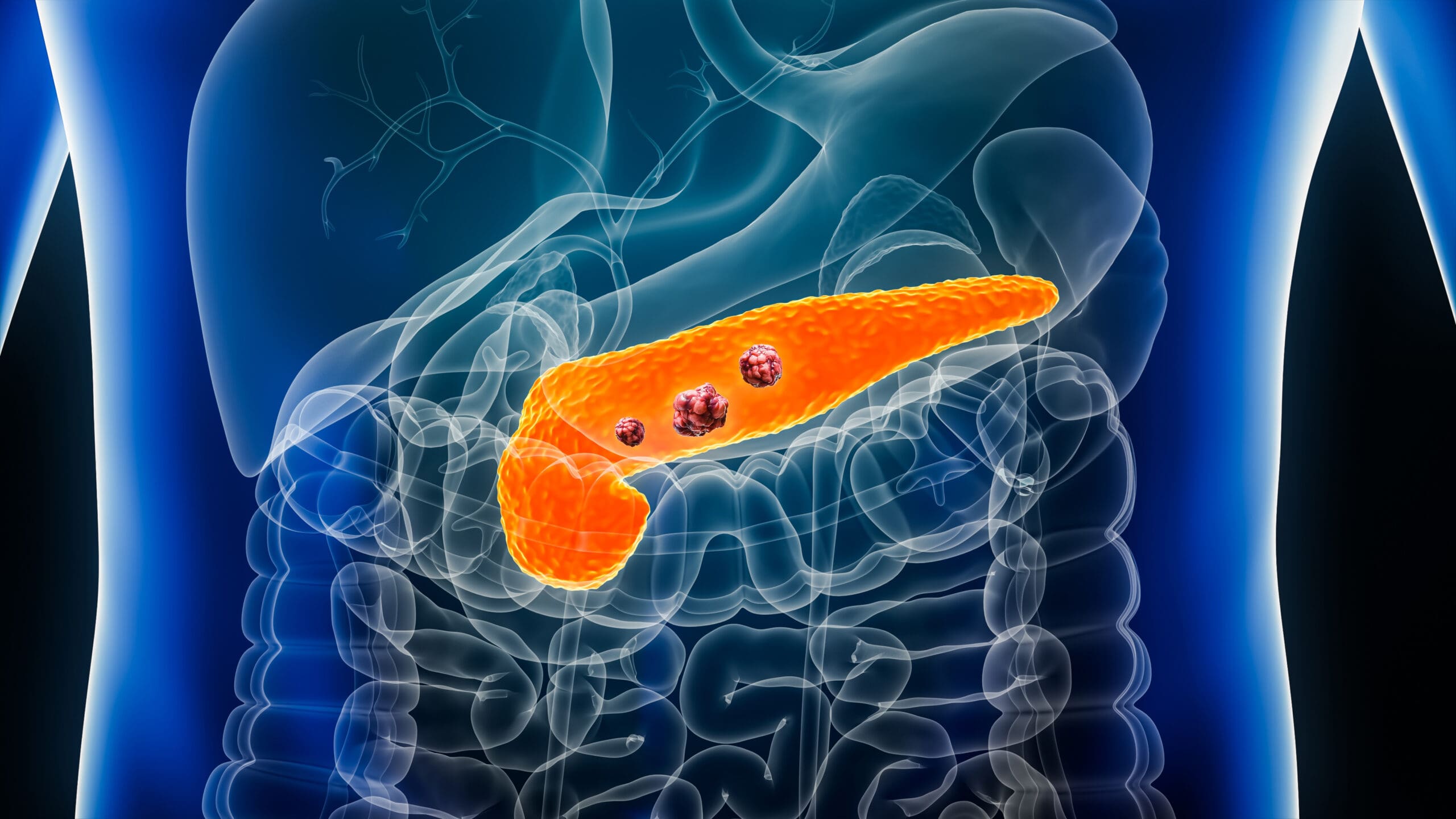
Visceral adipose tissue is strongly associated with several diseases and a shortened life span. People with a high level of visceral fat can develop a fatty liver, fatty pancreas and their heart can be surrounded by fat and their arteries can be clogged with fat. Fat can also grow into the throat and obstruct breathing during sleep, causing snoring and sleep apnoea.
The interesting thing is not everyone with a lot of visceral fat appears overweight. Some people appear slim, yet a scan of their abdomen reveals high levels of deep internal fat.
How does visceral fat adversely affect the colon?
Visceral fat in the abdominal region is close to the inflamed intestines of someone with Crohn’s disease. The fat is able to produce inflammatory chemicals called cytokines and adipokines. These chemicals travel to the intestines and increase the amount of inflammation present there.
People with more visceral fat tend to have a more aggressive form of Crohn’s disease with a higher risk of strictures (narrowing) of the intestines or fistula (tunnel) formation. People with higher amounts of visceral fat are also more likely to have unbalanced gut bugs. Fewer friendly bugs and more potentially harmful bugs, which is known as dysbiosis. The bad gut bugs also secrete inflammatory chemicals, which worsen Crohn’s disease.
Strategies to reduce visceral fat and improve intestinal health
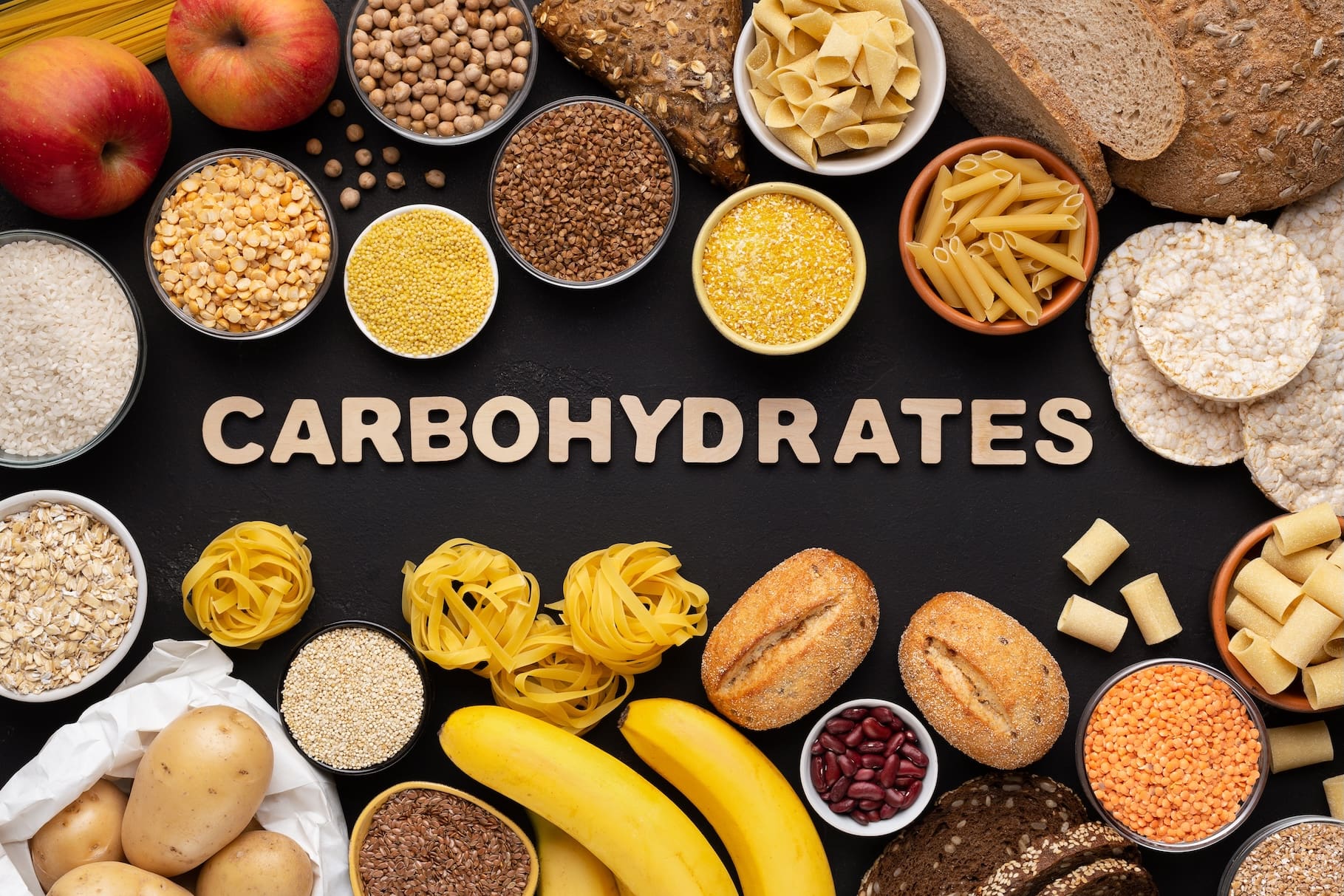
Keep your carbohydrate intake low
Insulin resistant people cannot handle common levels of carbohydrate in their diet. They over secrete insulin in response to eating carbs and they are less likely to feel satisfied after a meal, therefore tend to over eat. That means carbohydrate needs to be restricted in the diet. It is best to get your carbohydrate from vegetables. There is an easy to follow low carbohydrate eating plan in Dr Cabot’s book I Can’t Lose Weight and I don’t know why.
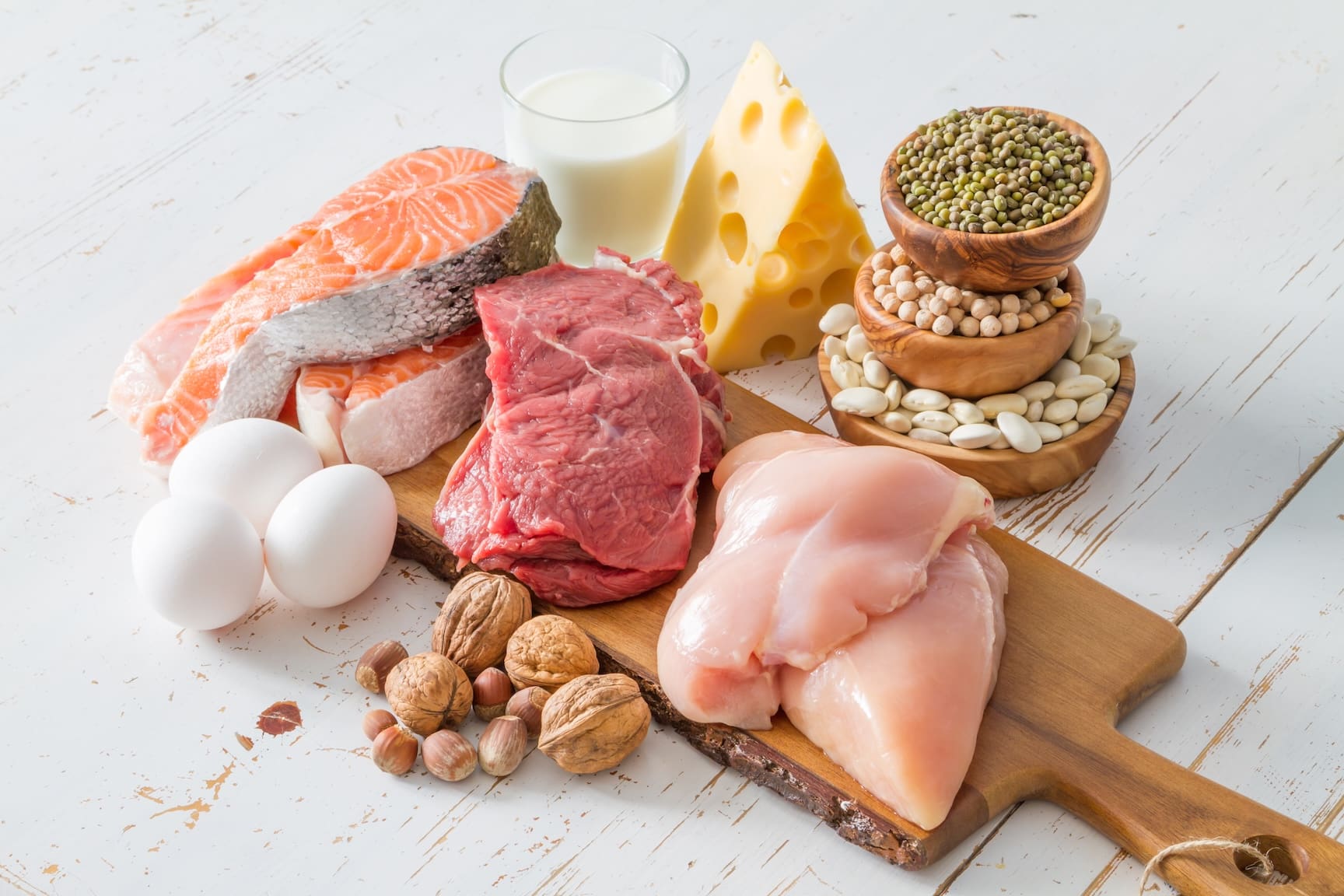
Protein is the most important nutrient for those wanting to lose weight and reduce visceral fat.
It is critical to eat protein at every meal because it is extremely satiating. It will help to make you feel more full and satisfied after a meal, and keep you feeling satisfied for longer. This way sticking to a healthy diet won’t be so much of a struggle. Examples of protein include eggs, seafood, poultry and red meat. Dairy products, nuts and seeds contain smaller levels of protein. Protein powders can be extremely helpful for those wanting to lose weight because they provide a quick, tasty and easy meal option for busy days. A protein powder smoothie can also make a delicious and filling snack mid morning or in the afternoon, when you might be struggling with sugar cravings.
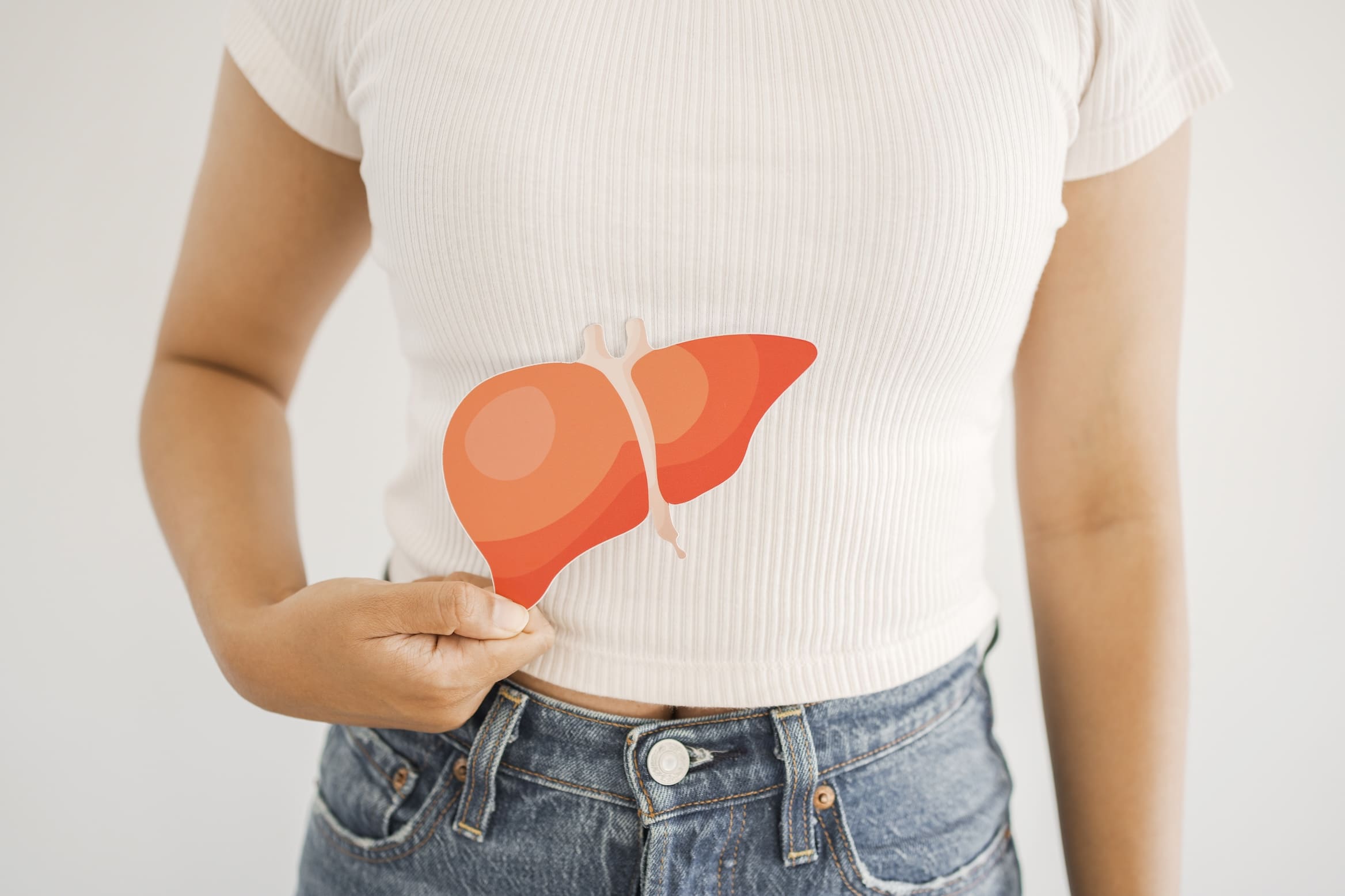
Make sure you have a healthy liver
A healthy liver is very important for weight control. This is because the liver can store glucose and fat, and also produce glucose and fat. You want your liver to be good at fat burning. People with a healthy liver have a fast metabolism and don’t gain weight as easily. A healthy liver also helps to control your blood sugar level. If you have not eaten for several hours, your liver is supposed to release some stored glucose into your bloodstream to give you energy and keep hunger at bay. People with a sluggish liver struggle with this and they often feel excessively hungry, weak or irritable if they have gone several hours without food. It makes sticking to a diet extremely difficult! To help improve your liver health I recommend you follow the diet in Dr Cabot’s book Fatty Liver You Can Reverse It.

Try to maintain muscle mass as you get older
When we get older, we all lose some muscle mass and bone density. How early this begins and how rapidly it happens largely depends on your diet and lifestyle. Many people aren’t eating enough protein each day. Try to aim for 1 to 1.5 grams per kilo of ideal body weight. Exercise is also vitally important. Muscles are hungry for energy 24 hours a day, so they will use up calories rather than having them be deposited as fat on your body. Ultimate Muscle Food powder contains ingredients that help promote increased muscle mass, especially in older individuals.



Leave A Comment