

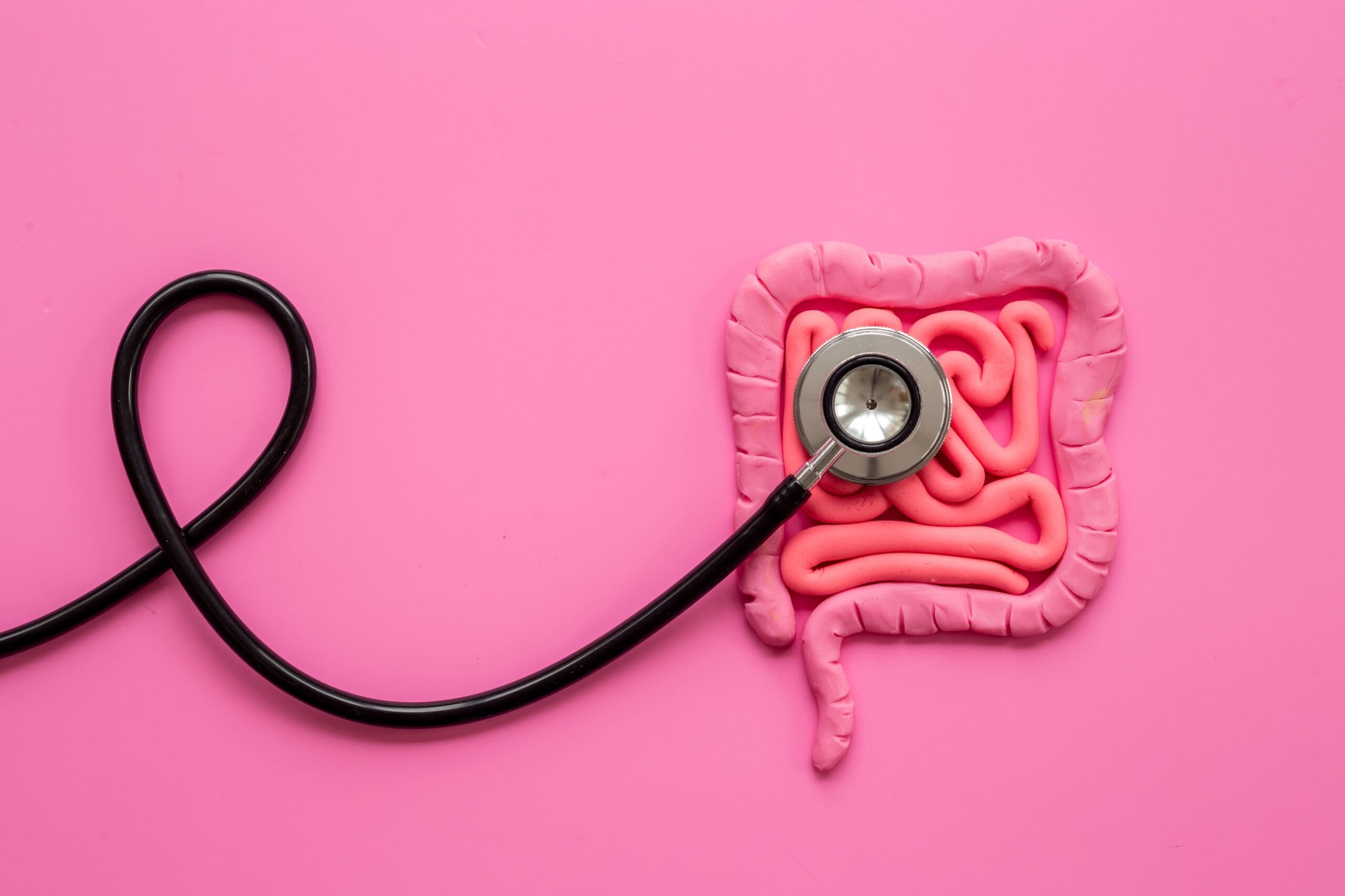
This commonly used medication may raise colon cancer risk
By naturopath Margaret Jasinska
Shocking new research has shown that people who take stomach acid blocking drugs for GORD (Gastro Oesophageal Reflux Disease) are more likely to develop polyps in their colon that may progress into colon cancer. Rates of colon cancer continue to climb in younger individuals. This is an important risk factor everyone should be aware of.
Stomach acid blocking drugs are some of the most commonly used drugs in the world. The most common class is called proton pump inhibitors. Some popular brand names include Losec, Zoton, Nexium, Pariet and Prevacid. New research has shown that by blocking stomach acid, they change the composition of microbes in the large intestine, increasing the risk of bowel cancer.
Colorectal cancer is one of the most common causes of death in most parts of the world, and cases are rising. One in seven colon cancer patients are under the age of 50. Individuals born in 1990 have double the risk of developing colon cancer, and four times the risk of rectal cancer than those born around 1950. Genetics is not an explanation. This new research finding may offer one important clue.
A study published in the journal Alimentary Pharmacology & Therapeutics analysed older adults with gastroesophageal reflux disease (GORD) associated with erosive oesophagitis, nonerosive reflux disease, and Barrett’s oesophagus. All of those conditions showed a statistically significant increased risk for colon cancer. There were more colon polyps as well as colorectal cancer. Colon cancer often begins with a polyp that was initially benign and then started spreading and became cancerous.
It has been known for some time that people with colon or rectal cancer have too much oral bacteria in their colon. In healthy people, oral microbes should be killed in the stomach by the acid that is naturally present there. Stomach acid blocking drugs typically used for GORD make the stomach less acidic, allowing bacteria from the mouth to make their way to the colon. When the bacteria is in the wrong location, it can promote cancerous changes to develop in the large intestine and rectum.
This study was led by Amnon Sonnenberg, MD, from the Division of Gastroenterology and Hepatology, Oregon Health & Science University, Portland, Oregon. He concluded the study with the statement
“These findings lend support to the hypothesis that long-term use of antisecretory medications may constitute a risk for developing colon neoplasms.”
Natural ways to help acid reflux
- Avoid drinking with meals – Drink at least 20 minutes away from meals as drinking with meals can dilute digestive enzymes and worsen digestion.
- Have some apple cider vinegar – The exception to the no drinking with meals is organic apple cider vinegar. Apple cider vinegar helps to balance stomach acid and lessen the symptoms of acid reflux. Dilute one to two tablespoons of apple cider vinegar in a little warm water and sip slowly during your meals.
- Maintain a healthy weight – If you are overweight it is vital to lose weight, and the best way to do this is by consuming a diet low in sugar and carbohydrates, and high in vegetables, protein and good fats. A diet low in sugar and processed foods and high in vegetables will reduce symptoms of heartburn and reflux.
- It may be necessary to avoid wheat, gluten, dairy products and certain high FODMAP foods. Some people are not able to digest those foods well and they cause fermentation and gas production in the intestines. Increased pressure in the stomach can force stomach contents up, leading to heartburn or reflux. Overgrowth of the wrong gut bugs causes the fermentation.
- Try to avoid eating three hours before bed.
- If you feel bloated, tired and uncomfortable after a rich or oily meal, it usually means your liver is struggling to produce sufficient bile for fat digestion. The information in the books Fatty Liver You Can Reverse It and Save Your Gallbladder Naturally And What To Do If You’ve Already Lost It, might help you.
Reference: https://onlinelibrary.wiley.com/doi/epdf/10.1111/apt.70268



Leave A Comment