

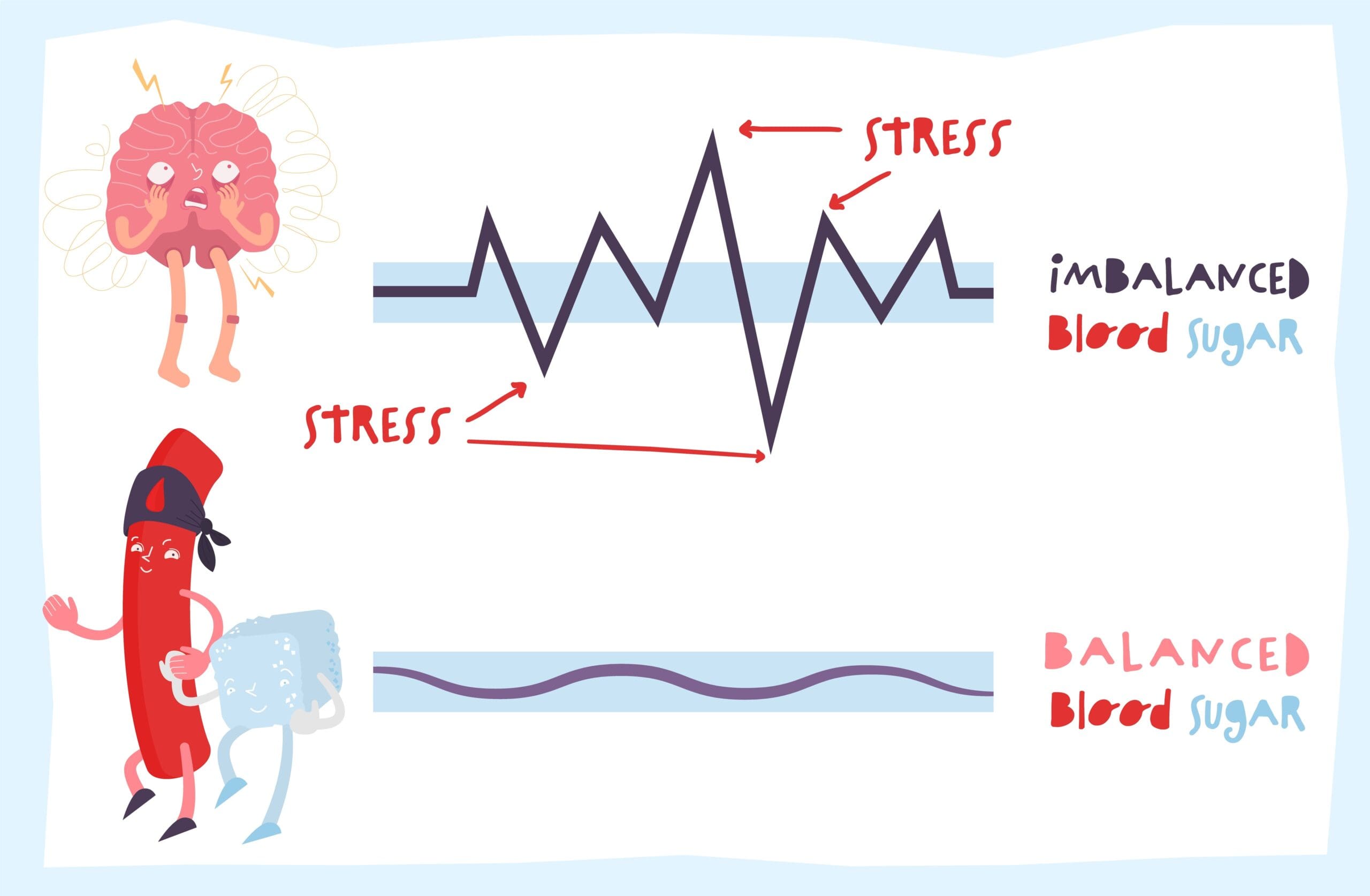
Stress can spike your blood sugar: No carbs required
By naturopath Margaret Jasinska
Did you know psychological stress can trigger your brain to send a direct neural signal to your liver, telling it to produce and release sugar into your bloodstream? This is a good example to illustrate how other things besides food affect our blood sugar. What you eat is important, but it’s also necessary to realise that your blood sugar is affected by other factors.
Many of you realise that the stress hormones cortisol and adrenalin can cause glucose spikes. A new study published in the journal Nature found there is a brain-liver circuit that flips genetic switches inside the liver, turning it into a sugar factory. This means it can be very difficult for a diabetic to control their blood sugar with a healthy diet if they are highly stressed.
Your brain communicates with your liver to raise blood sugar
The amygdala is a pair of small, almond shaped structures deep inside your brain’s temporal lobes. This region of the brain is responsible for processing emotions such as fear, anger, pleasure and anxiety. It also attaches emotional significance to memories. The amygdala detects threats and triggers the fight or flight stress response.
This recent study has shown the medial amygdala can send signals to the hypothalamus which then sends a neural signal directly to the liver, instructing it to manufacture glucose and release it into the bloodstream.
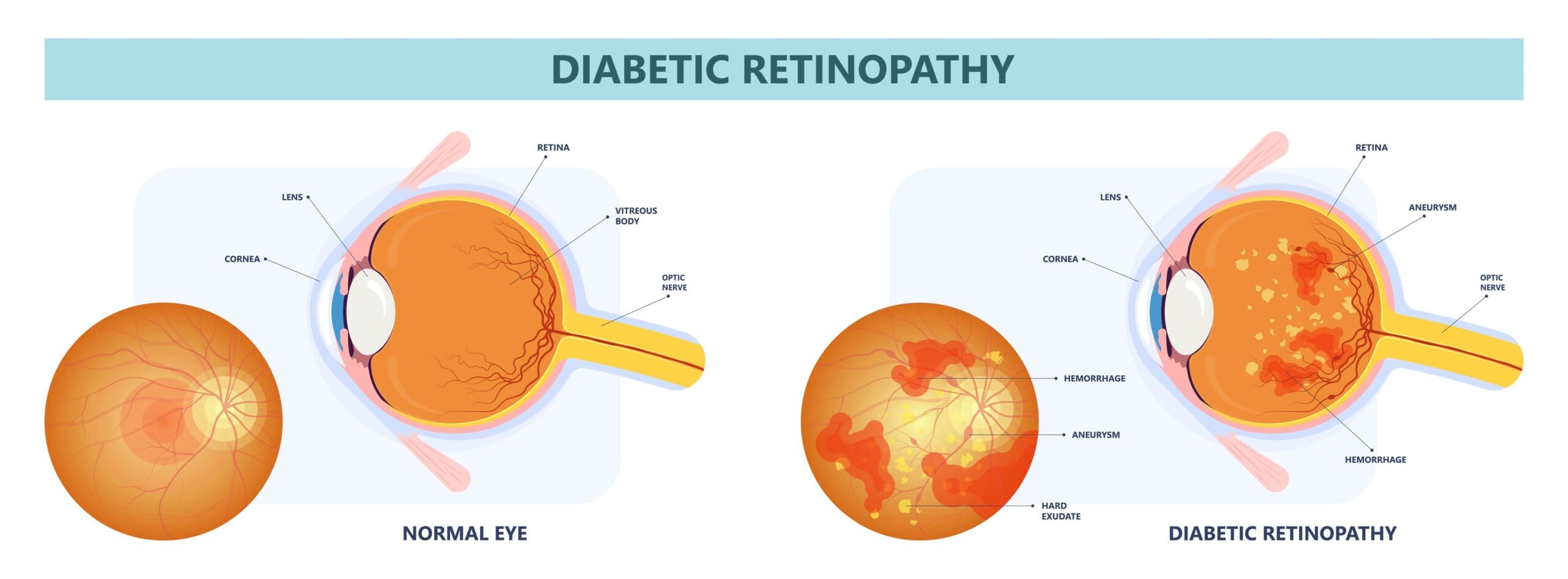
Good blood sugar control is important for all diabetics. The closer you can keep your blood sugar to normal, the less likely you are to suffer with diabetic complications in later years. Having good blood sugar control should also allow you to require less medication.
It’s not just diabetics that should be concerned with maintaining a healthy blood sugar level though. For all of us, minimising spikes in blood sugar is important if you want to take care of your health. Sugar is sticky, and having a lot of it in your bloodstream can cause harm to nearly every part of your body. Sugar can stick to the protein component of your joints and create pain and stiffness; it can stick to the collagen in your skin and speed up the signs of ageing. Perhaps most frightening is the fact that high blood sugar can create the plaques and tangles in the brain that are hallmarks of Alzheimer’s disease.
How to minimise the harmful effects of stress

Try to get enough sleep, rest and relaxation. Don’t go to bed too late. Try to be in bed by 10pm. Don’t look at the clock while in bed. Even if you are awake for long stretches of the night, laying in bed and resting will still benefit your body. Melatonin can help you fall asleep. Low doses are available as a pharmacist only medicine. Higher strengths require a doctor’s prescription. Magnesium has calming properties and can help relieve sleeplessness.

Do some gentle exercise. Don’t exhaust yourself. Prolonged strenuous exercise can raise stress hormones. The trick is to just do enough to energise yourself.

Follow an anti-inflammatory diet. Excessive inflammation in your body is perceived as a type of stress and therefore promotes raised stress hormones. The worst foods for raising inflammation are sugar, dairy products, gluten, seed oils, alcohol and any food you are allergic to. Try to minimise your intake of those foods. Instead, try to base your diet on fresh vegetables, good fats (avocados, olive oil, raw nuts, seeds, oily fish, fat from pastured animals, ghee) and good quality protein (poultry, grass fed meat, eggs, whey protein powder).
To learn about other diet and lifestyle strategies for managing blood sugar, see the book Diabetes Type 2: You Can Reverse It Naturally.




Leave A Comment