

Statins may not be safe for your kidneys
By naturopath Margaret Jasinska
Some cholesterol lowering medications could be putting your kidneys at risk. The kidneys are delicate organs and do not have the ability to easily repair themselves. A number of different medications can impair kidney health.
Rosuvastatin is a popular cholesterol lowering drug sold under the brand name Crestor. Recent research has demonstrated an increased risk of kidney failure compared with atorvastatin (Lipitor). This has led researchers to recommend starting with a low dose in patients with chronic kidney disease, or choosing a different cholesterol lowering drug. The study of almost a million patients starting on statin therapy provides data on proteinuria (protein in the urine), haematuria (blood in the urine) and kidney failure with rosuvastatin. The higher the dose, the greater the risk.
The research was conducted by Johns Hopkins University. Over a follow up period of three years, rosuvastatin users had a 15 percent higher risk of developing kidney failure requiring dialysis or kidney transplant, than patients taking atorvastatin. According to the figures, rosuvastatin was linked with an 8 percent higher risk of haematuria and a 17 percent higher risk of proteinuria. Patients with an eGFR of less than 30mL/min/1.73m2 were at greatest risk. Worryingly, the researchers found that almost 45 percent of patients with moderate to severe kidney disease were prescribed high doses of rosuvastatin. The US Food and Drug Administration’s recommended dose is capped at 10mg a day. Almost half were taking more.
According to the researchers, “These findings suggest the need for closer attention and monitoring to rosuvastatin use, particularly in patients who are receiving high doses or with severe chronic kidney disease.” Please don’t discontinue any medication without prior discussion with your doctor.
Natural ways to achieve a healthy cholesterol level
Statins work by inhibiting the action of the enzyme inside the liver that’s responsible for cholesterol production. Your liver manufactures cholesterol primarily out of carbohydrate, sugar, alcohol and any excess calories you’ve consumed. People with insulin resistance (hyperinsulinaemia) are most prone to developing elevated cholesterol and triglycerides because they do not metabolize carbohydrate well. High cholesterol often occurs together with high blood pressure, abdominal obesity and elevated blood sugar. This combination is called metabolic syndrome, insulin resistance, hyperinsulinemia, pre-diabetes or syndrome X.
The following tips should be helpful:

Cut down or eliminate alcohol, sugar, carbohydrate rich foods and industrial seed oils from your diet. These foods can elevate cholesterol, triglycerides and blood sugar. The liver is very proficient at converting high carbohydrate foods into fat. Industrial seed oil high in linoleic acid can promote insulin resistance and a fatty liver. Fried foods and packaged foods like crisps, chips, crackers and cookies are usually full of the wrong fats.

Make vegetables, protein and natural fats the foundation of your diet. These foods will keep you feeling full and will keep your blood sugar level stable throughout the day. This is very important in order to prevent hypoglycaemia, sugar cravings, foggy head and fatigue. Many people trying to improve their health actually don’t eat enough protein and fat. When eating protein rich foods like fish, poultry or red meat, please eat a palm and a half sized portion. Whey protein powder is an excellent source of protein that’s highly satiating. It will help to keep you full for many hours and reduces the risk of sugar cravings. Please include good fats in your diet like olive oil, avocados, nuts, seeds and oily fish such as salmon, as well as the fat on ruminant meat. People who don’t eat enough protein and fat usually crave sugar and carbohydrate. For more information see the book I Can’t Lose Weight and I Don’t Know Why.
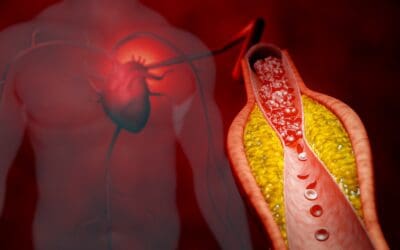
Inflammation is what causes harm to arteries and can lead to atherosclerosis. Chronic inflammation to the endothelium can lead to blood clots, and over time plaque can form on the arteries. The things that can trigger injury to arteries include high blood sugar (caused by diabetes or glucose spikes), cigarettes, high blood pressure, lead and other environmental pollutants and autoimmune disease. Reducing the inflammation in your body is the most effective way of protecting your cardiovascular system.



Leave A Comment