

Sleep apnoea linked to vision loss
By naturopath Margaret Jasinska
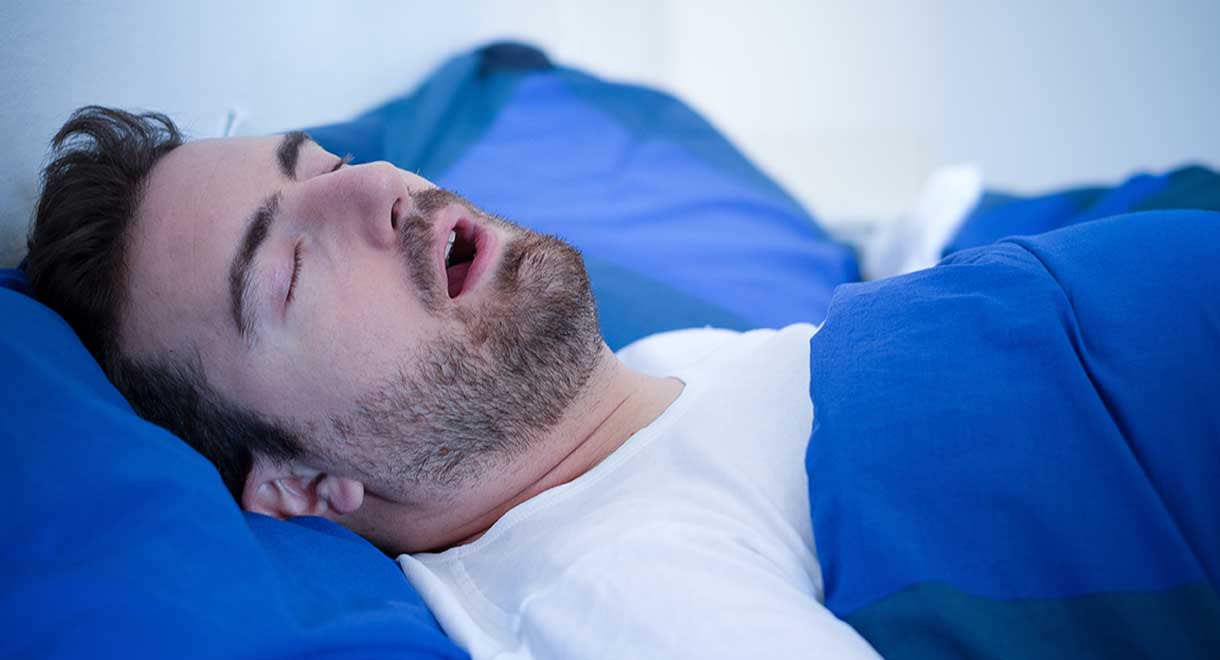
Sleep apnoea is an extremely common condition that may affect up to 1 in 10 adults over the age of 30. It causes a person to stop breathing many times throughout the night. It typically causes snoring and is very disruptive to the sleep of the individual as well as their bed partner. This condition affects far more than just sleep quality. Recent research has shown that people with the condition are at higher risk of glaucoma.
Glaucoma results when the optic nerve in the eyes sustains damage caused by increased eye pressure. This causes a restricted visual field. In time, glaucoma can lead to severe vision loss. Often it is first detected at a late stage when significant damage has already occurred to the optic nerve.
Treatments for glaucoma are limited and can be expensive. Ideally the condition could be prevented or diagnosed in the earliest stages.
How can sleep apnoea raise the risk of glaucoma?
Researchers have found that intermittent drops in oxygen levels and blood flow that occur throughout the night in people with sleep apnoea may contribute to optic nerve damage, leading to future glaucoma.
It has been known for a long time that people with sleep apnoea are at much greater risk of having a heart attack or stroke. Recent research has shown they are also 10 times more likely to develop glaucoma. If a person already has glaucoma, sleep apnoea can speed up deterioration in vision.
Insulin resistance is the biggest driver of sleep apnoea
Insulin resistance causes internal fat accumulation. A person can develop a fatty liver, fatty pancreas and even a fatty tongue. If the tongue gets too large, it can block the airway during sleep, resulting in sleep apnoea. Insulin resistance is also called pre-diabetes. People with the condition often struggle with inability to lose weight. Many of these people have sleep apnoea but have never been officially diagnosed with a sleep study, or they don’t use their CPAP machine because it’s too unpleasant. Their vision and overall health may be at risk.
Natural ways to overcome sleep apnoea
- Insulin resistance means the hormone insulin isn’t as effective as it should be, so your body compensates by producing higher levels of insulin. That’s a problem because high insulin promotes weight gain around the torso and upper body. A low carb diet is highly effective for reversing insulin resistance, as is exercise and intermittent fasting. Once insulin comes down, weight comes off the torso and upper body more easily. There is helpful diet advice in the book I Can’t Lose Weight and I Don’t Know Why.
- Avoid or reduce alcohol, particularly in the evening. Alcohol can turn a soft snorer into a loud snorer, because of the relaxing effect it has on the muscles at the back of the throat, which impairs breathing during the night.
- Changing your sleep position can help with breathing during sleep. If you move to a side lying position, your airways are more likely to stay open. Using pillows, (particularly large body pillows), should help to keep you supported and comfortable, and stay on your side.
- Avoid or minimize mucus-forming foods. Dairy products are notorious for causing a blocked nose, congested sinuses and throat. The combination of dairy products with sugar is even worse, such as ice-cream and sweet yoghurt. Gluten and wheat can cause mucus congestion for a lot of people. Really, any food you have a sensitivity to can block you up and restrict breathing at night.
BactoClear capsules contain berberine and the essential oils of clove, oregano and thyme. They can help to relieve the symptoms of sinusitis.




Leave A Comment