

Men with diabetes face higher prostate risk
By naturopath Margaret Jasinska
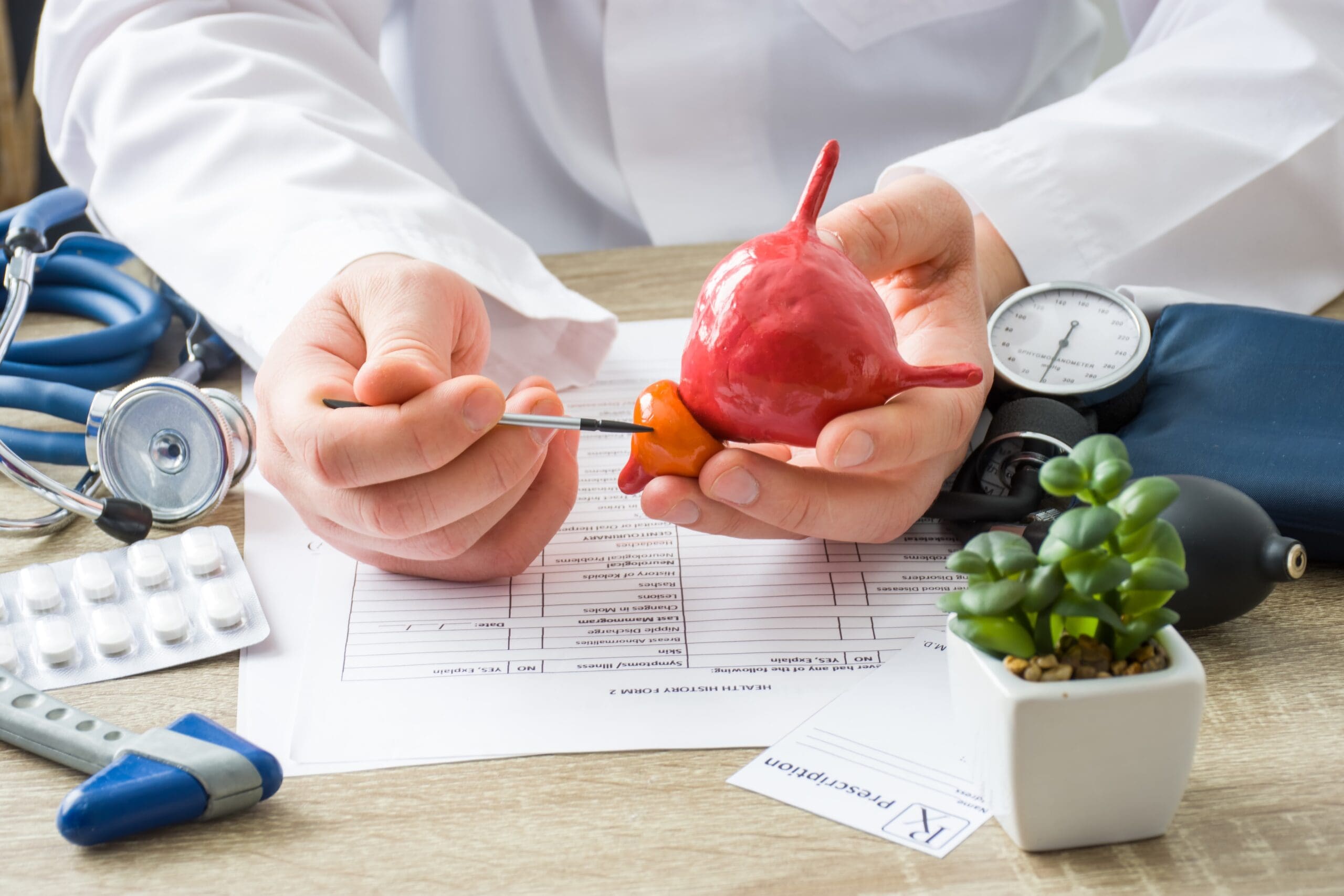
Men with type 2 diabetes are at risk of developing an enlarged prostate. This is referred to as benign prostatic hyperplasia. Diabetics also tend to have faster progression of enlargement and more troublesome symptoms.
Benign prostatic hyperplasia (BPH) is a non cancerous enlargement of the prostate gland. It is very common, affecting more than 50 percent of men in their 60s and older. It is normal and expected for the prostate gland to enlarge as men get older. BPH occurs when the enlargement has reached such an extent to cause problems and symptoms.
The enlarged prostate can put pressure on the bladder and urethra, and this can result in urinary symptoms such as a weak urine stream, frequency, urgency, and nocturia (the need to get up at night to urinate). The usual treatment involves lifestyle changes, medication (alpha-blockers or 5-alpha reductase inhibitors) or surgery.
Elevated blood sugar and insulin can speed up prostate enlargement
Some research has shown that diabetic men are up to 3 times more likely to develop an enlarged prostate than non diabetics. Diabetic men also have a significantly faster increase in prostate volume over time and a higher incidence of acute urinary retention in the bladder.
Elevated glucose and elevated insulin are features of type 2 diabetes and both have growth promoting effects. They promote prostate cell growth, induce chronic inflammation, and cause vascular damage within the prostate that encourages enlargement.
BPH is generally considered a metabolic condition. It is more common in men with a fatty liver, who hold excess weight on their torso, and have high blood pressure and elevated blood fats. These are all indicators of insulin resistance and are typical in type 2 diabetics.
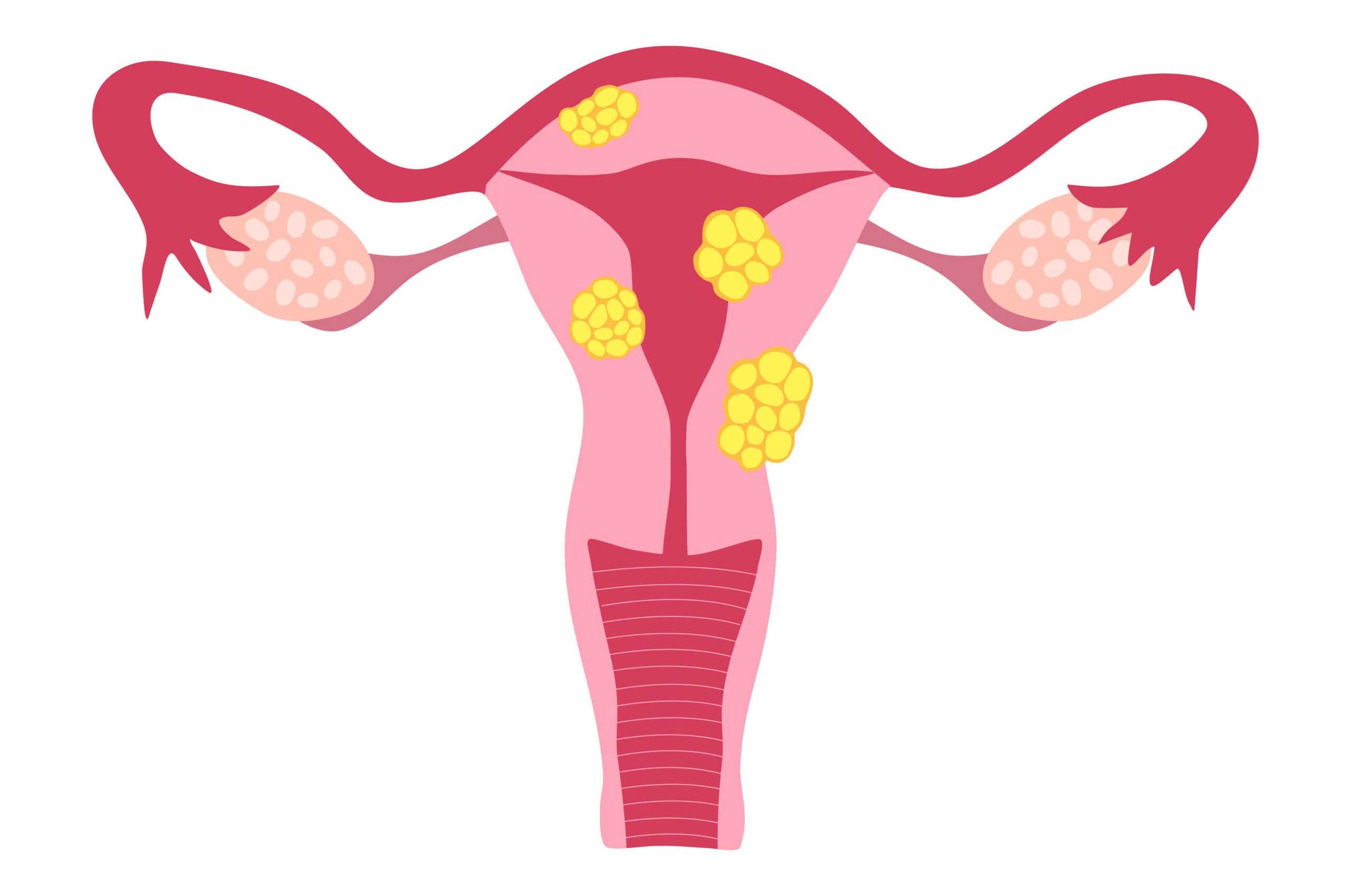
Elevated blood sugar and insulin increase the risk of tumours, fibroids, polyps, acne and excess body fat. It is important to remember that insulin is a growth-promoting hormone. Your blood level of insulin spikes during puberty, when your body needs to grow rapidly. As an adult, you don’t require high levels of insulin. Sugar also raises inflammation in the body, and inflammation speeds cell growth.
Natural strategies to lower blood sugar and insulin

Keep your carbohydrate intake low
Many people cannot handle common levels of carbohydrate in their diet. They oversecrete insulin in response to eating carbs and they are less likely to feel satisfied after a meal, therefore tend to overeat. That means carbohydrate needs to be restricted in the diet. It is best to get your carbohydrate from vegetables, along with small amounts of fruit, nuts, and seeds. There are easy to follow low carbohydrate eating plans in the books, I Can’t Lose Weight and I Don’t Know Why and Diabetes type 2, You Can Reverse It Naturally.

Protein
Protein is the most important nutrient for those wanting to reduce their blood insulin level. It is critical to eat protein at every meal because it is extremely satiating. It will help to make you feel more full and satisfied after a meal, and keep you feeling satisfied for longer. This way sticking to a healthy diet won’t be so much of a struggle. Examples of protein include eggs, seafood, poultry, and red meat. Dairy products, nuts, and seeds contain smaller levels of protein. Protein powders can be extremely helpful for those wanting to lose weight because they provide a quick, tasty and easy meal option for busy days. A protein powder smoothie can also make a delicious and filling snack mid-morning or in the afternoon, when you might be struggling with sugar cravings.

Don’t eat all day
It is best to eat 3 meals and avoid snacking. Fasting helps to lower blood insulin levels and it has many other health benefits. Fasting isn’t appropriate for everyone though. Fasting between meals will give you similar benefits.

Exercise lowers insulin
Ideally, you would do something you like and do it consistently. The more muscle you have on your body, the more insulin sensitive your cells will be, thus your blood level of this hormone should drop.
Herbs and nutrients
There are herbs and nutrients that can help to reduce elevated blood insulin levels. You may require the help of a naturopath or nutritionist.
Improve the health of your liver
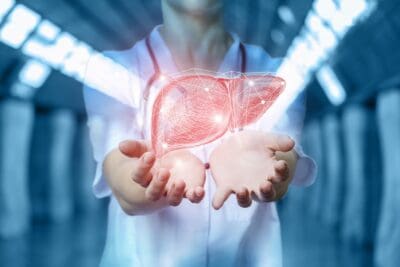
A healthy liver is very important for blood sugar and insulin control. If you have a fatty liver it means you are insulin resistant. Clearing the fat from your liver is essential but can be hard. The suggestions above should help, along with the information in the book Fatty Liver: You Can Reverse It.
For more lifesaving information about cancer, see the book Cancer Survival Strategies.
Reference: https://www.nature.com/articles/s41598-023-44954-2



Leave A Comment