

Is your high fibre diet making you zinc deficient?
By naturopath Margaret Jasinska
The foods you’re eating in an attempt to improve your health may be making you zinc deficient and weakening your immune system.
If you are trying to improve your health, there is a good chance you’re eating more fibre. Higher fibre diets are being promoted to improve gut health and overall health. The problem is that plant foods high in fibre can inhibit your body from being able to absorb zinc. Zinc deficiency can make you susceptible to frequent infections, or long lasting infections.
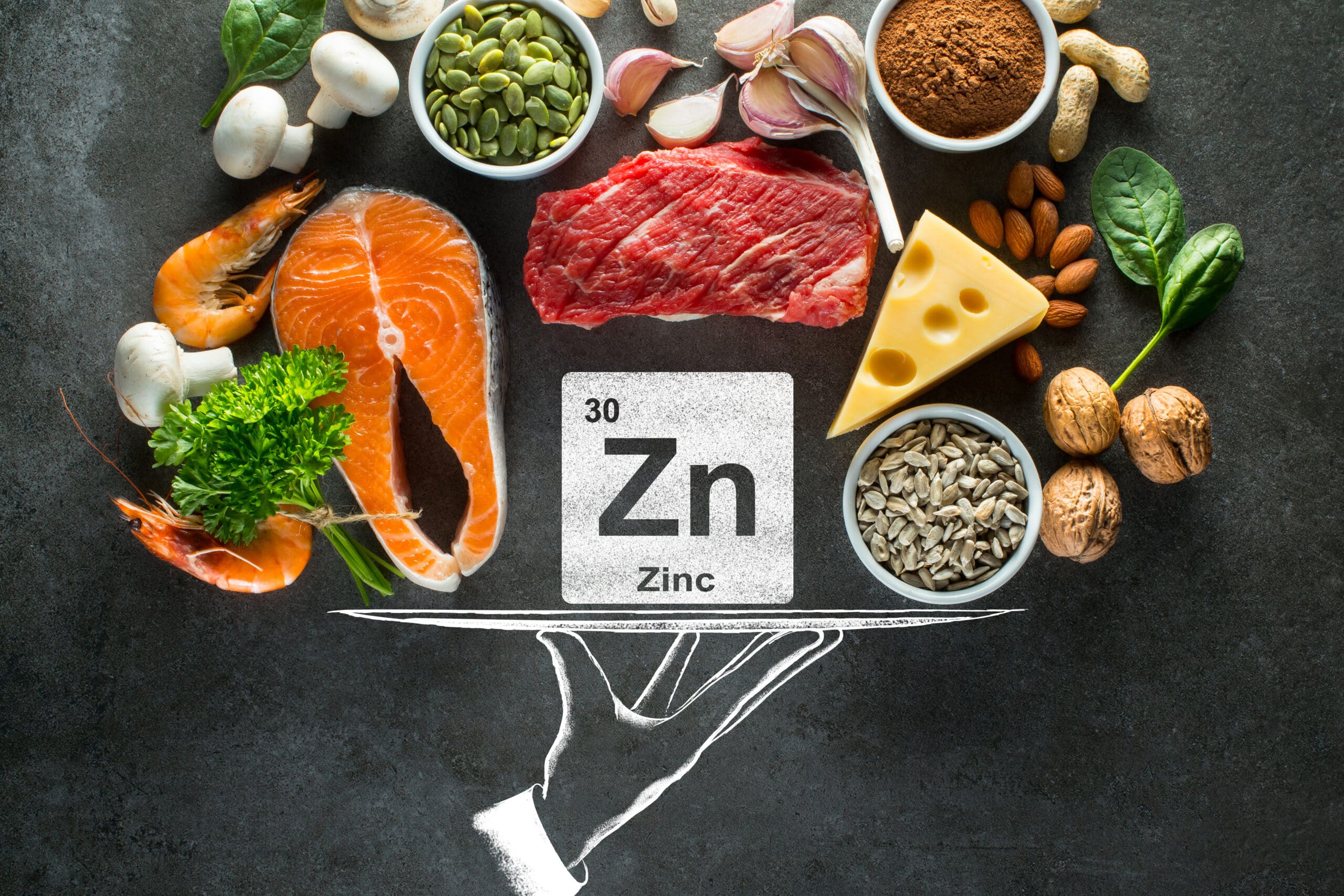
Plant foods are not a good source of zinc. On paper, legumes, nuts and seeds contain some zinc. However, those foods also contain phytic acid, which binds with minerals and inhibits their absorption. The foods richest in zinc are seafood and red meat. Oysters are one of the world’s richest sources of zinc. Interestingly, studies have been done to show that absorption of zinc from oysters is significantly impaired when they are combined with high phytic acid foods. When oysters were eaten with corn tortillas, almost no zinc was absorbed from the oysters.
Plant based diets are becoming increasingly popular with young women, many of whom are also shunning red meat. Zinc deficiency is incredibly common in our young female patients, and it can contribute to many varied health problems.
The importance of zinc
Your body cannot produce or store much zinc, therefore it’s necessary to get optimal levels each day through your diet. The recommended daily intake (RDI) is 11 mg for adult men and 8 mg for adult women. That doesn’t sound like much, but it’s surprisingly difficult to obtain.
Your body requires zinc for the activity of more than 300 enzymes which are necessary for a healthy metabolism, digestion, nerve function, wound healing and immune function. Children and teenagers have a high requirement for zinc because it’s required for body growth and development.
Ways zinc helps your immune system:
- Protection of cell membranes from cell-damaging chemicals and toxins.
- Closure of pores in the lung’s tiny blood vessels to reduce trans-capillary leakage of fluid. This means zinc can help stop the lungs from filling up with fluid when inflammation occurs such as in a cytokine storm due to an infection.
- Reducing mucus production.
- Stimulating production of interferon (an antiviral protein produced by immune cells).
Ensuring adequate zinc intake can significantly reduce the risk of infections and promote a strong immune response in adults and children. When they have an infection, so many people try to help their immune system by drinking vegetable juice or making vegetable soup. That’s good and helpful but there is no zinc in those foods. Red meat and seafood are the foods highest in zinc.
If your immune health is not where you’d like it, ask your doctor for a zinc blood test.
Children’s Immune Strength powder contains zinc and other minerals that help support healthy immune system function. It is a delicious all natural strawberry vanilla flavoured powder that can be enjoyed by children and adults.
_____________________________________________________________________
References:
https://www.clinicalnutritionjournal.com/article/S0261-5614(25)00164-5/fulltext
https://www.sciencedirect.com/science/article/pii/S0022316622140927





Leave A Comment