

Inflammation is harming your arteries
By naturopath Margaret Jasinska
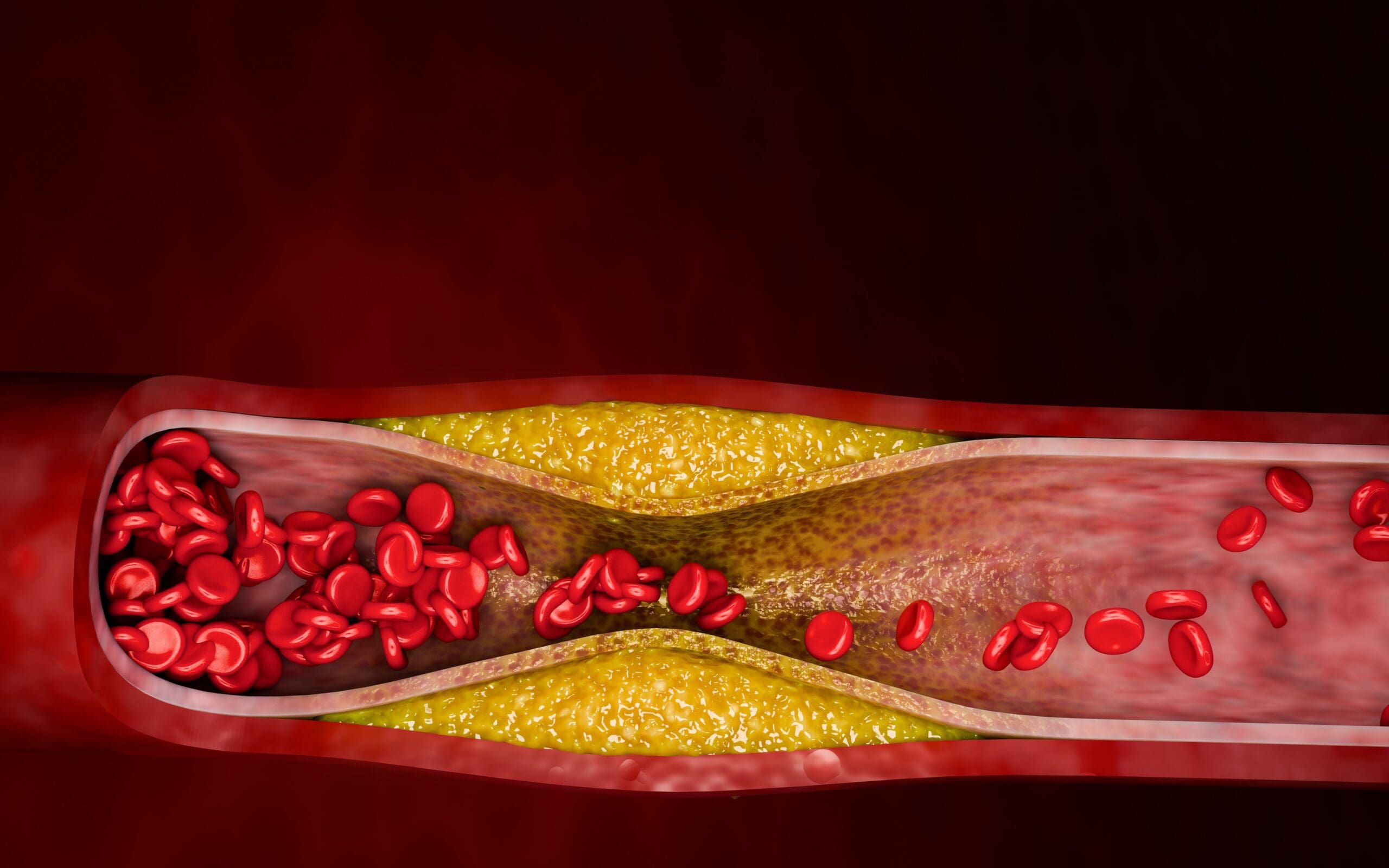
What causes fatty plaques to develop in arteries? Many people attribute it to cholesterol. Did you know it’s actually inflammation that injures the lining of arteries and promotes hardening, narrowing and restricted blood flow?
What is atherosclerosis?
Atherosclerosis means thickening or hardening of the arteries. It is caused by a buildup of plaque in the inner lining of arteries. Plaque is made up of a number of substances. Many people think it’s solely cholesterol. Plaque is comprised of:
- Fibrin (clotting tissue)
- Fatty substances
- Cholesterol
- Immune cells (especially macrophages)
- Smooth muscle cells
- Calcium
Coronary calcium score
The degree of atherosclerosis present in arteries of the heart can be assed with a coronary calcium score test. This is a CT scan that measures the amount of calcified plaque in the arteries, helping to predict your future risk of a heart attack. The test doesn’t use any dye and requires you to lay on a table while a CT scanner takes images of the heart. A score of zero means no calcified plaque, while higher scores (up to thousands) indicate more plaque and a greater risk of heart disease.
I have had many female patients in their 40s who are slim and fit be shocked to discover they have a dangerously raised coronary calcium score. They can have normal or elevated cholesterol. This usually occurs because there is too much inflammation in their body and the inflammation is harming the lining of their arteries.
Chronic inflammation
Inflammation is a bit of a vague term that you’re probably aware of. There are two main types of inflammation: acute inflammation and chronic inflammation. If you have ever sprained your ankle or suffered a gout attack, you’ll know all about acute inflammation. It causes symptoms like pain, swelling, heat, redness and immobility.
In this article I want to focus on chronic inflammation. This is the type of inflammation that occurs in a very subtle form inside your body, so you don’t even realise it’s occurring. Chronic inflammation occurs when various cells in your body produce chemicals that cause wear and tear inside your body. Essentially, inflammation causes oxidative damage to the cells and tissues of your body. This will cause you to age more rapidly and put you at risk of serious diseases including cardiovascular disease and cancer. Inflammatory chemicals can be produced by your immune cells, fat cells and by your liver if it is fatty, otherwise diseased or sluggish.
The following factors can all raise the level of inflammation in your body:
- Being overweight
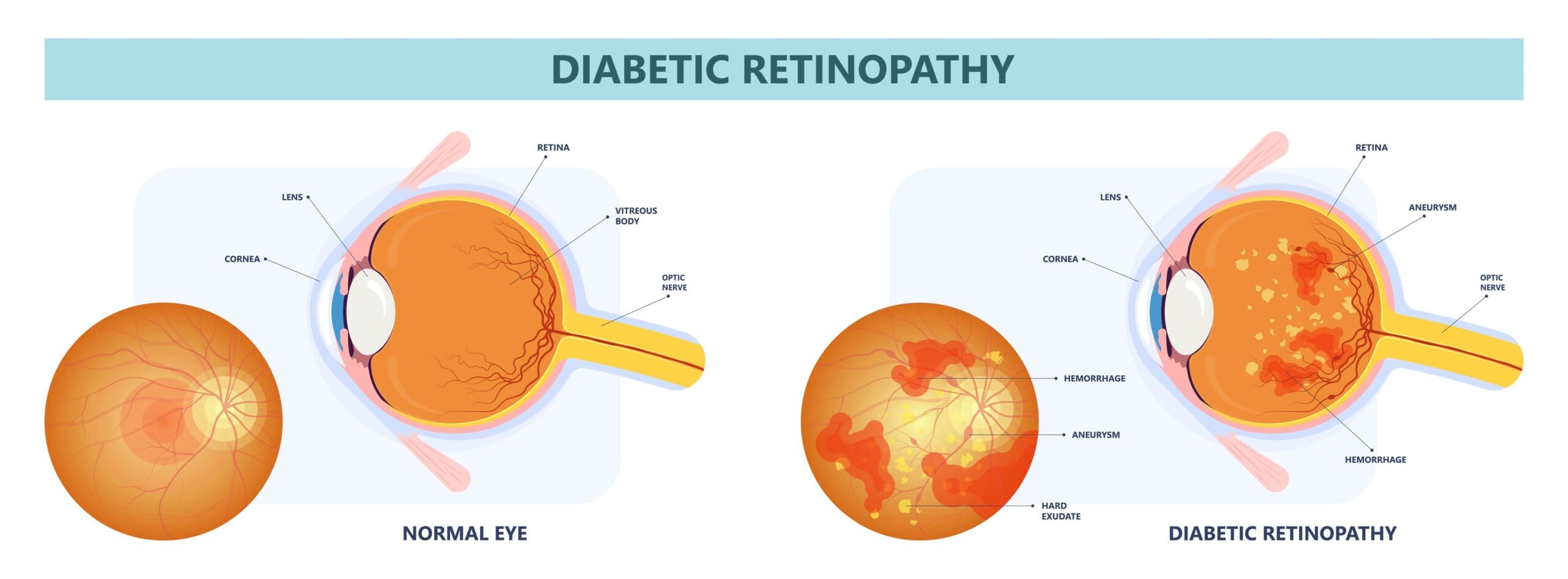
- Diabetes
- Insulin resistance
- Infections
- Autoimmune disease
- Chronic stress
- Lack of sleep
- Fatty liver
- Cigarette smoking
- Deficiency of omega 3 fats in the diet
- Food allergy or intolerance
- Diets high in sugar, alcohol, gluten, food additives and omega 6 fats
- Heavy metal toxicity
- Environmental pollutants
In most people, the overwhelming cause of excessive inflammation in their body is poor diet choices. Sugar, flour and seed oil high in omega 6 fats (soy, corn, cottonseed, sunflower, safflower oil) all cause wear and tear to your body. Having a fatty liver causes the liver to produce high levels of damaging inflammatory chemicals.
Inflammation damages the lining of your arteries. It actually causes wear and tear to the once smooth inner lining of artery walls. Once you’ve developed lesions in your arteries, tiny blood clots form, in order to repair the damage. Red blood cells are high in cholesterol, and the blood clots formed by the red blood cells cause a lot of cholesterol to build up on the artery walls.
People with high inflammation typically have elevated blood levels of IL-6 (interleukin 6), tumor necrosis factor alpha (TNF-α), and high-sensitivity C-reactive protein (hsCRP). High levels of these substances correlate with worsening of atherosclerosis.
Tips for looking after your arteries
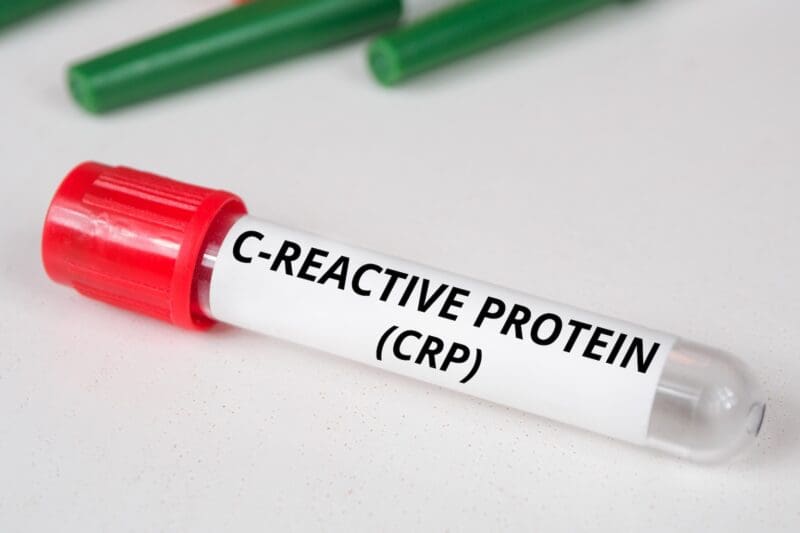
If a blood test has indicated elevated levels of inflammation, it’s important to investigate the cause. Sometimes it’s a chronic infection, or it could be an allergy or autoimmune disease. Having an overgrowth of the wrong gut bugs (dysbiosis) can be a major driver of inflammation because it over stimulates the immune cells living in the gut and creates a leaky gut. For information on how to address this see the book Healing Autoimmune Disease. Gut Health powder contains ingredients to soothe the gut lining and repair a leaky gut.

Choose butter, ghee or animal fats instead of margarine. Margarine or non-dairy spread is often marketed as a healthier alternative to butter. Nothing could be further from the truth. Margarine doesn’t contain cholesterol but is high in oxidized omega 6 rich vegetable oil, which significantly increases inflammation in the body and subsequently causes damage to the arteries. People have been eating butter for hundreds of years; long before cardiovascular disease reached epidemic proportions. Pastured (grass fed) butter is the healthiest option of all because it is rich in certain beneficial nutrients such as vitamin K2, vitamin D, butyrate and conjugated linoleic acid. Butter does contain saturated fat and that can raise your cholesterol, but if you want to get specific, saturated fat can raise your HDL (good cholesterol) and increase large particle LDL cholesterol while reducing small dense LDL (the type implicated in clogged arteries).
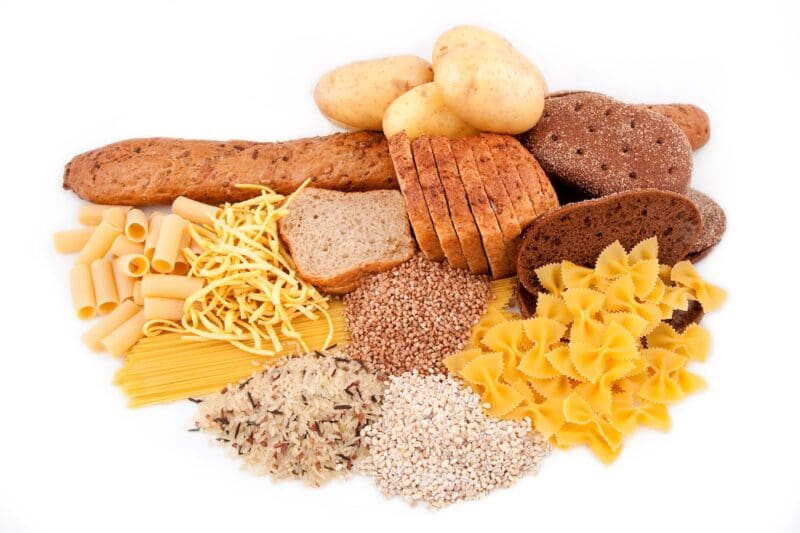
Reduce or avoid grains and starches. Many people are aware that sugar increases the risk of heart attacks, fatty liver, type 2 diabetes, cancer, accelerated ageing and many other chronic diseases. You may not realise that most grains and starches are almost as bad as sugar. Most bread has a fairly high glycemic index; that means it raises your blood sugar fairly high very quickly. Even wholegrain bread floods your bloodstream with sugar once you’ve digested it. Wheat contains a type of starch called amylopectin A, which is rapidly converted into sugar and likely to promote weight gain around your middle. Gluten free bread isn’t much better because it’s typically made from grains and starches that also have an extremely high glycemic index; these include corn, rice, tapioca and potato. You are best off minimizing bread in your diet and sticking with vegetables, salads, protein and healthy fats.

Omega 3 fats protect your arteries. Omega 3 fatty acids are found in some species of fish and may help to protect you against having a heart attack. The Heart Foundation recommends that everyone eats oily fish at least twice a week. This is because the omega 3 fats in oily fish help to keep the arteries clean, reduce inflammation and help to keep blood fats such as cholesterol and triglycerides low. The species richest in beneficial fats include wild salmon, sardines, anchovies, mackerel, herrings and mullet. Fish oil contains the essential fatty acids called EPA and DHA. DHA is the activated form of omega 3 fats, which is necessary for a healthy heart, healthy brain and joints. The omega 3 fats in plant foods like flaxseeds, chia seeds and walnuts are the precursor to DHA and much more difficult for the body to utilize.

Try not to let stress get on top of you. Life can get very stressful or busy at times. Long term stress can have a very detrimental effect on your health, even if you are eating well. If you’re currently unable to make changes in your life to reduce stress, please try and find healthy ways of coping with it. Some examples might include speaking to a friend or counsellor about your concerns, joining a yoga or meditation class; exercising; spending time with animals or writing in a journal. It is important to have hobbies and passions in life. Most of us spend a large part of our life at work. It’s important to have things to look forward to; things that inspire you and make you excited about getting out of bed. Magnesium helps to reduce the negative impact of stress and improves sleep.

Try to ensure you’re getting adequate good quality sleep. Not getting enough sleep, or having poor quality sleep significantly raises the risk of insulin resistance and elevated cortisol. Both conditions predispose to abdominal weight gain and fatty liver. Insufficient sleep often causes people to make unhealthy food choices. Sugar and high carbohydrate foods are appealing, just to get through the day and cope with chronic exhaustion.

Do a regular Detox every 4 to 6 months. The Dr Cabot 15-day Cleanse which works on your liver, gut and immune system. Heavy metals and microplastics can build up in arterial plaques and need to be removed. Your red blood cells only live for 120 days and need to be replaced with new health red blood cells.




So what about these spreads that have a vegetable oil base and are said to have plant steroids to reduce cholesterol. Where do they fit in
Compared to recommended butters etc
Hi Katrina,
We don’t recommend any spreads, sauces or dressings that contain vegetable oil, sunflower oil, canola oil, etc.
You may find this article helpful: https://www.cabothealth.com.au/oils-aint-oils/
Kind regards,
Jessah Shaw
Nutritionist