

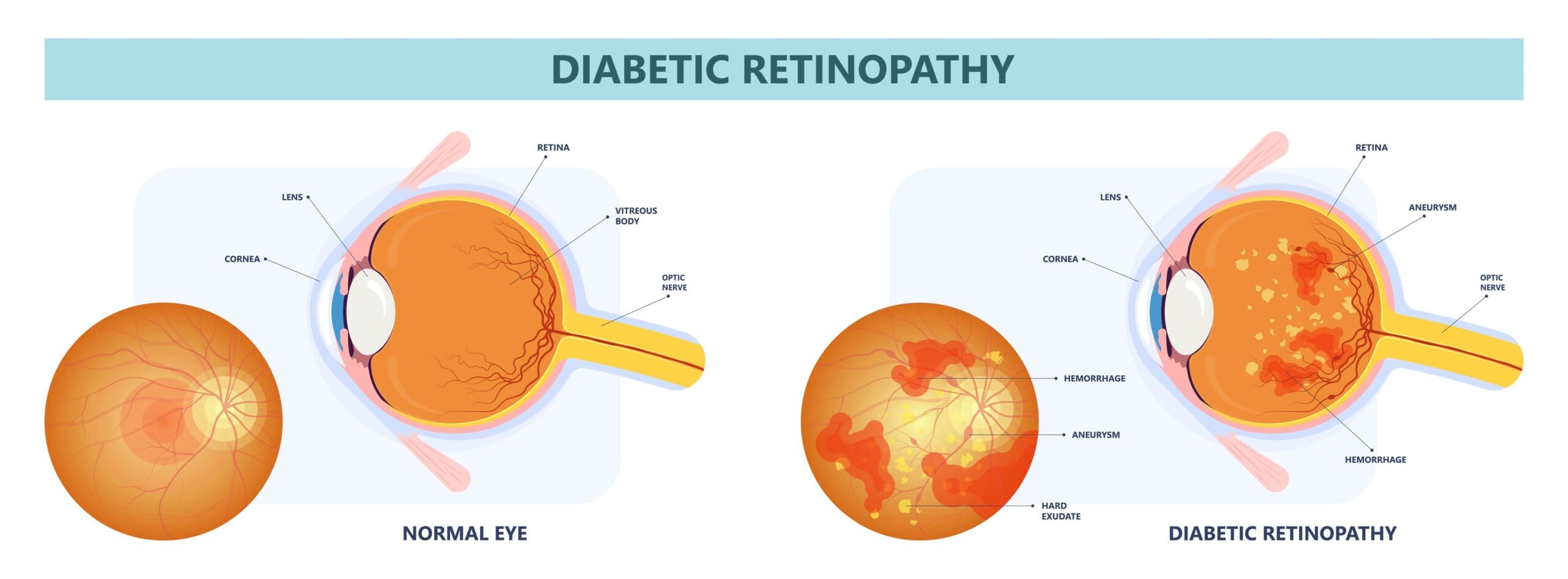
Eye disease in diabetics may be dementia warning
By naturopath Margaret Jasinska
New research has shown that diabetics with retinopathy are at higher risk of dementia. The worse the eye disease, the greater the risk for dementia. The retina of the eye is comprised of nerve tissue. Damage to nerves of the eyes is a good clue to indicate that nerve damage is also occurring in the brain.
All diabetics are at higher risk of dementia than people with normal blood sugar. This new study has shown that diabetics with significant retinopathy are at highest risk of dementia. Data from 769,930 people aged 65 years or older was analysed. They underwent an eye exam between January 2010 and January 2020 to determine the risk for dementia linked to diabetic retinopathy. The patients were followed up for an average of 6.73 years.
The study findings showed that people with diabetes only, people with non-proliferative retinopathy, and those with proliferative retinopathy had higher risks for all-cause dementia, Alzheimer’s disease and vascular dementia than healthy individuals
Compared to patients with only type 2 diabetes, those with retinopathy had higher risks for all-cause dementia and vascular dementia, but not Alzheimer’s disease.
The study authors had the following conclusions: “These findings underscore the role of systemic microvascular injury in cognitive decline. Ophthalmic examinations, already routine in diabetes management, provide a valuable opportunity for dementia risk assessment and education, enabling eye care clinicians to alert and/or refer patients with diabetic retinopathy to their primary care providers as an additional avenue for dementia screening”.
High blood sugar harms every part of your body
When you eat sugar, starch or high glycaemic foods that are rapidly digested into sugar, your body breaks down these carbohydrates into glucose. This raises your blood insulin level. Simple carbohydrates, like sugar, most bread and soft drinks cause your insulin level to spike. A sudden rise in blood sugar and insulin cause acute inflammation in every part of your body.
Inflammation leads to the production of enzymes that break down collagen and elastin, promoting sagging skin and wrinkles. The sugar in your bloodstream permanently attaches to proteins in your body via the process called glycation. Glycation causes stiffness, thus reducing proper function. Sugar can bind to almost any protein in your body. It can cause glycation in your blood vessels, your eyes, your nerves and your kidneys. This is a reason why diabetics are prone to complications in these organs.
Natural ways to achieve a healthy blood sugar level

Have regular blood tests.
A significant proportion of people with type 2 diabetes are undiagnosed, therefore if you have not had your blood sugar checked in the last year, ask your doctor for a test. You should get a fasting blood sugar test and also an HbA1c test. Your blood sugar should be below 5.5 mmol/L and your HbA1c should be below 5.5%.

Keep an eye on how much carbohydrate rich food you eat.
Sugar, bread, pasta, rice, potatoes, breakfast cereals, sugary drinks and anything made of flour will all raise your blood glucose level after you eat them. The average person eats far too much of these foods. If you are carrying excess weight around your waist that is a great indicator your blood sugar level is probably climbing. Follow the lower carbohydrate, higher protein eating plan in our book Diabetes Type 2: You Can Reverse It Naturally

Reduce glucose spikes after meals.
You can achieve this by limiting the amount of carbohydrate you eat, exercising regularly and having some apple cider vinegar before or with meals. If you do eat a carbohydrate rich meal, adding protein, fat and fibre to the meal significantly reduces glucose spikes.
Check on the health of your liver and pancreas.
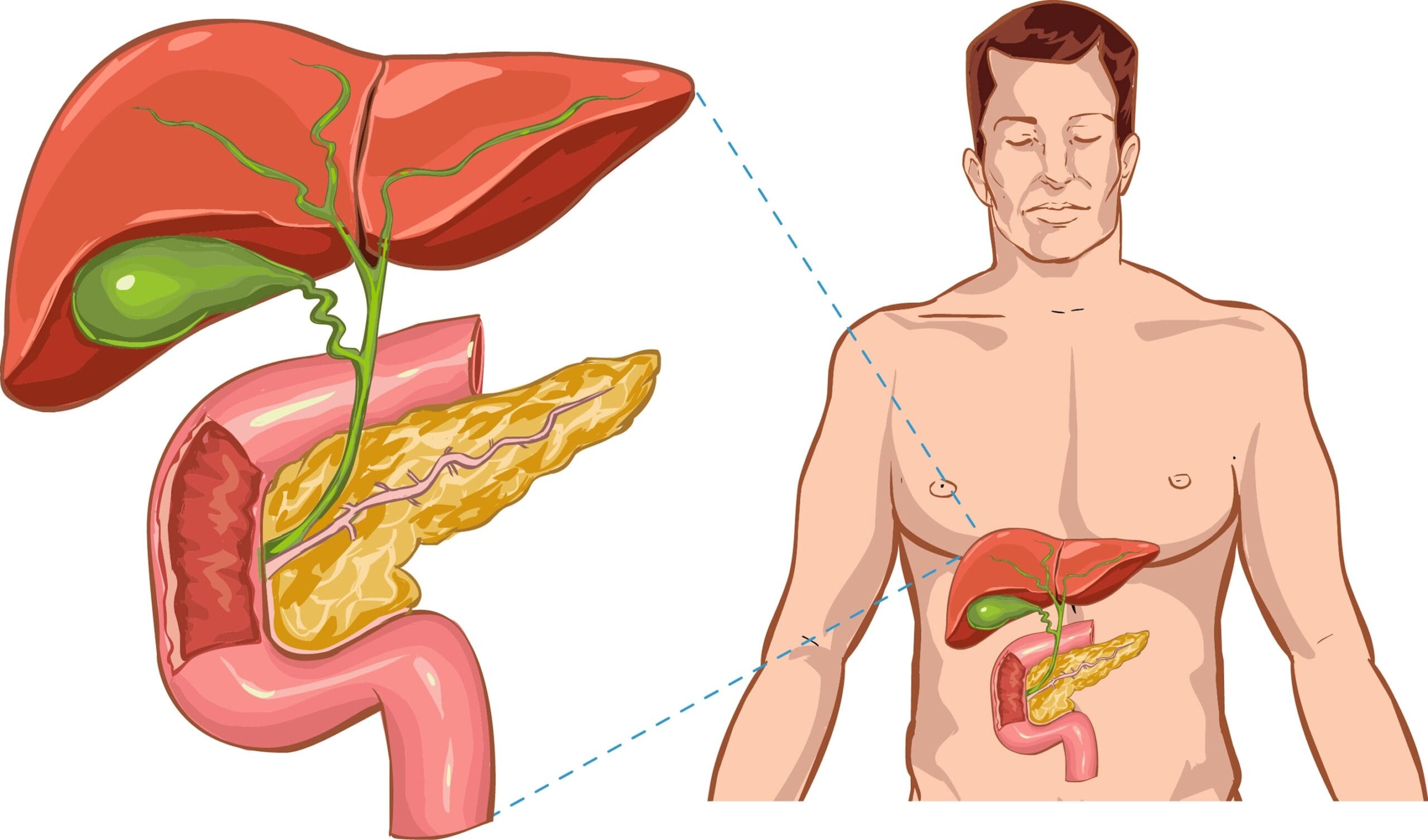
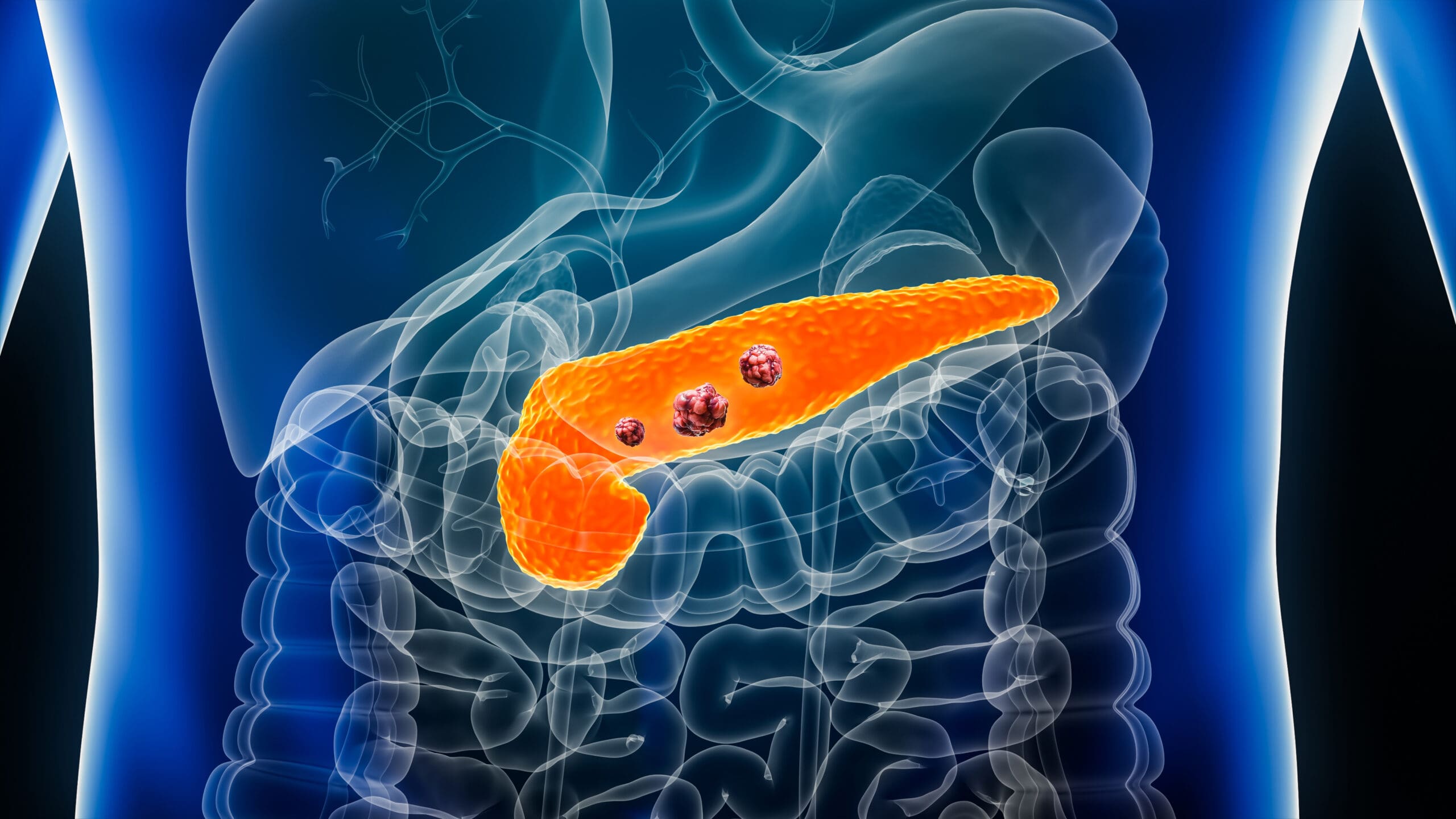
A diagnosis of fatty liver and fatty pancreas often arrives years before a diabetes diagnosis. If these organs are unhealthy, you will have great difficulty controlling your blood sugar. It will rise too high and you’ll be prone to hypoglycemia and sugar cravings. Follow the recommendations in the book Fatty Liver: You Can Reverse It.

Try to get enough good quality sleep and find healthy ways to manage stress.
Most adults require 7 to 8 hours of uninterrupted sleep each night. If you don’t get that, you are far more likely to gain weight and develop high blood sugar. Sleep deprivation raises the hunger hormones in your body and impairs the fat burning hormones. If you struggle to achieve good sleep, a magnesium supplement may help.




Leave A Comment