

A gluten free diet helps improve multiple sclerosis
By naturopath Margaret Jasinska
Avoiding gluten can reduce inflammation and improve symptoms in people with multiple sclerosis. A study found that following a gluten free diet for 6 months significantly improved the health of people with multiple sclerosis who didn’t have coeliac disease. It’s important to remember that gluten can harm the gut and raise inflammation in all autoimmune conditions, not just coeliac disease.
A study published in the journal Science Direct followed 54 adult women who were diagnosed with relapsing remitting multiple sclerosis. The study lasted 6 months. The women were divided into two equal groups. One half followed a gluten free diet, receiving education and meal plans. The second group continued eating gluten but was given general advice about following a healthy diet.
Multiple sclerosis is a chronic autoimmune condition where the immune system attacks the brain and spinal cord, leading to inflammation, nerve damage, and increasing disability. The aim of the study was to see if avoiding gluten could reduce markers of inflammation in the blood, improve metabolic health such as weight and waist size, and lead to improvements in neurological disabilities.
After 6 months, the women who avoided gluten had fewer physical disabilities and noticed improvements in daily life. They also had lower blood levels of lipopolysaccharide, which is a toxin made by bad gut bugs. Additionally, the women on a gluten free diet experienced improvements in their metabolic health; they lost body fat and experienced a reduction in waist circumference.
Why does avoiding gluten help autoimmune disease?
Based on our patient experience and the research we have read, eliminating gluten helps to reduce inflammation in all autoimmune disease. In this particular study, the researchers measured blood levels of lipopolysaccharide. This is an endotoxin, meaning a toxic substance made inside your own body. It is a component of the cell membrane of certain gram negative bacteria. Having high levels of lipopolysaccharide in your bloodstream means you have more bad bugs in your intestines and your gut is leaky because it’s seeping through the gut barrier.
Your immune system is highly reactive to lipopolysaccharide. It irritates your immune cells and causes them to release a lot of highly inflammatory chemicals. This adds fuel to the fire of any inflammatory problem that may be occurring in your body. The authors of this recent study said that gluten seemed to increase the proliferation of bad bacteria in the intestines and made the gut lining excessively permeable (leaky).
It doesn’t matter if you don’t have coeliac disease. Eating gluten worsens the health of everyone with an autoimmune or inflammatory condition.
How to reduce inflammation if you have an autoimmune disease

Remove all gluten from your diet. The casein in cow’s milk is also highly inflammatory for many people. It is also important to avoid sugar, processed foods that contain emulsifiers and alcohol. You may also have a food intolerance. Foods that are ordinarily considered to be healthy can harm the health of people with autoimmune disease. Common culprits include eggs, nuts, nightshade vegetables, grains and legumes. The safest foods for people with autoimmunity are usually red meat, seafood, poultry and vegetables.

Your gut lining may need some help with healing. Bone broth and foods high in gelatin (slow cooked or pressure cooked tough cuts of meat) can provide your body with the building blocks to heal your gut lining. Ultimate Gut Health powder is a combination of potent ingredients to heal and soothe the gut lining and restore a healthy barrier.

Most people with autoimmune disease have several nutrient deficiencies. This is because their digestion and absorption of nutrients from foods and supplements is impaired. Insufficient production of stomach acid, digestive enzymes and bile is all too common in our autoimmune patients. Blood tests are reliable for testing some nutrients and not others. There is more information about addressing specific nutrient deficiencies in our book called Healing Autoimmune Disease: A plan to reduce inflammation and help your immune system. Selenium can help to reduce mild inflammation.
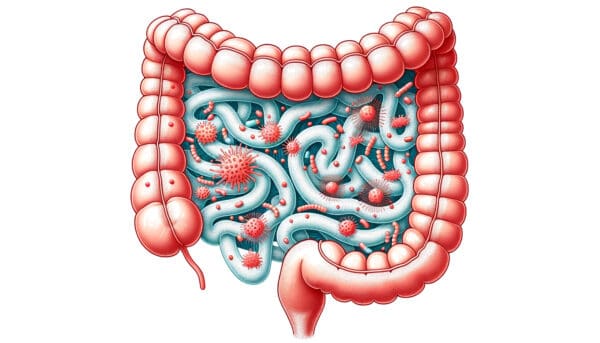
The overgrowth of bad gut bacteria and yeast is common in almost all autoimmune disease. Avoiding sugar and keeping your intake of FODMAPs low can be helpful for starving bad gut bugs. The essential oils of clove, oregano and thyme have helpful anti microbial properties. BactoClear capsules can help with abdominal bloating and the symptoms of medically diagnosed irritable bowel syndrome.





I have been following a Gf and DF for Ms
Hi Michelle,
Have you found it helpful?
Kind regards,
Jessah Shaw
Nutritionist