


The shape of your butt can determine your diabetes risk
By naturopath Margaret Jasinska
New research has shown that the shape of your largest butt muscle (called the gluteus maximus) can help determine how likely you are to develop type 2 diabetes. This can be an early warning sign to take care of your blood sugar level.
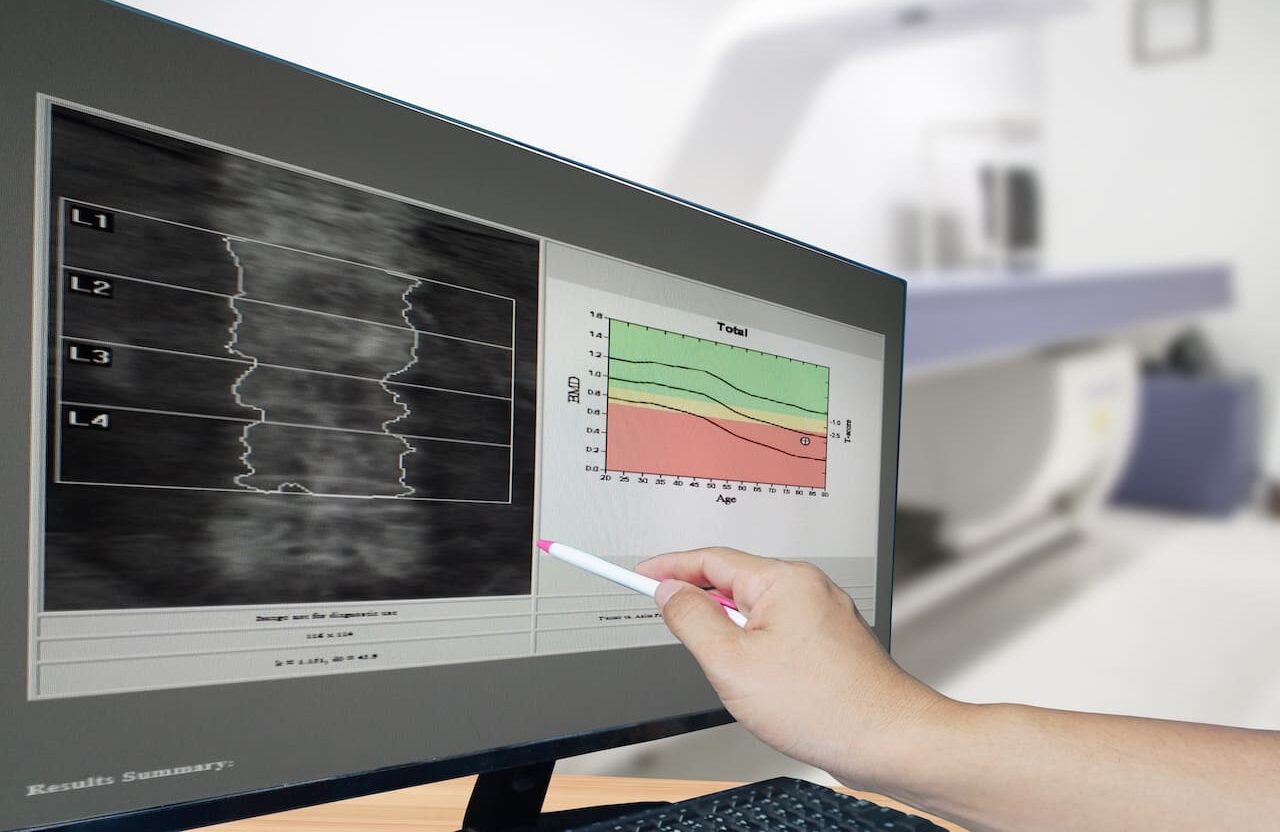
Researchers in the UK used 3D MRI to examine how age related changes in the shape of a person’s gluteus maximus muscle were associated with type 2 diabetes risk, and the results differed by gender. The amount of muscle on your body is a good predictor of how long you’ll live and your risk of becoming frail or developing a metabolic disease such as fatty liver or type 2 diabetes.
A study was presented at the Radiological Society of North America 2025 Annual Meeting. Scientists reviewed data from 61,290 MRIs in the UK Biobank database. They looked at the images along with data on physical measurements, demographics, disease indicators, medical history of the person, as well as lifestyle factors, to determine how butt muscle size and shape related to type 2 diabetes.
The findings showed that a rounder gluteus maximus was significantly associated with higher BMI, higher alcohol intake, more physical activity, and increased hand grip strength. The people with flatter gluteal muscles were more likely to be older, more frail, higher risk of osteoporosis and spend more time sitting.
In men, type 2 diabetes was significantly associated with a flatter butt, while the opposite was true for women.
According to the study authors, “We were surprised not just by the scale of the differences, but by how sharply the muscle shape patterns linked to type 2 diabetes diverged between men and women. Men showed clear regions of localized thinning consistent with muscle atrophy, whereas women showed outward bulging that likely reflects increased fat deposition”.
If a man’s butt becomes smaller as he ages, this is usually an indicator of muscle loss in his butt and also arms and legs. It usually correlates with fat deposition on the torso, indicating a fatty liver. A fatty liver can release chemicals that travel around the bloodstream and cause the breakdown and destruction of skeletal muscle.
The women in the study who had a larger butt from a young age had a lower future risk of type 2 diabetes. This is because they had an hourglass figure with a slimmer waist and didn’t deposit fat around their belly. A slimmer waist usually indicates better glucose tolerance. A large waist usually indicates insulin resistance which is also known as prediabetes.
Older women with a larger and rounder butt usually carry excess weight all over their body, including their torso. This indicates likely fatty liver and future risk of type 2 diabetes.
The researchers went on to say, “We should be encouraging people to engage in simple resistance exercises that help strengthen, build, and preserve muscle; this message deserves far more prominence in public health conversations”. It is certainly true that people with more muscle on their body live longer with a better quality of life and independence for longer. Muscles are hungry for energy; they can use up the glucose in your bloodstream for their own growth and metabolism, helping to keep your blood sugar level in the healthy range.
Other tips for not becoming a type 2 diabetic
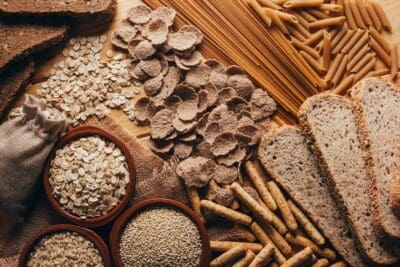
Don’t eat more carbs than your body can metabolise
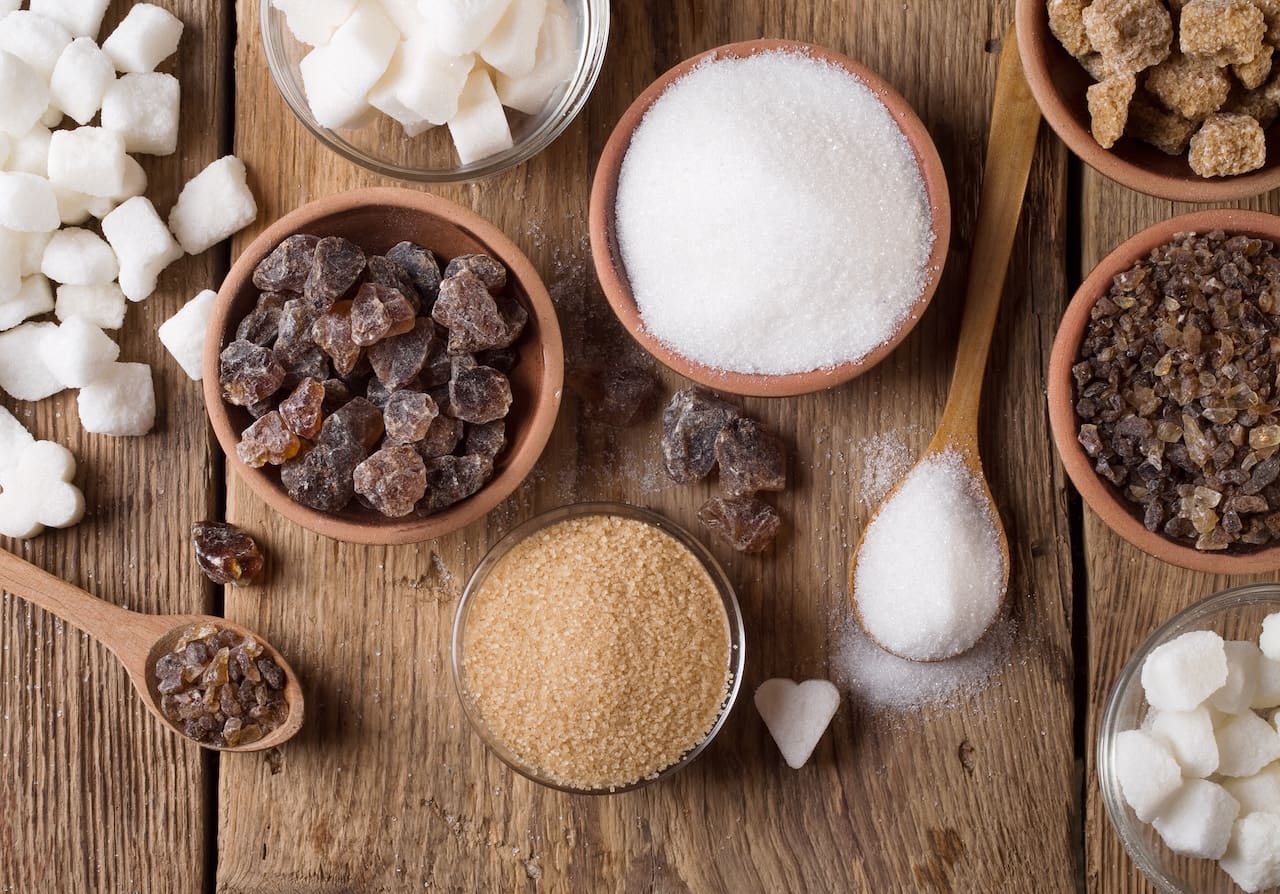
The foods that are highest in carbohydrate include sugar, bread, pasta, rice, potatoes, breakfast cereals and any food made of or containing flour. It doesn’t matter if they are whole grains or low GI; all carbohydrates raise blood sugar and insulin to varying degrees. Everyone has a different tolerance level for carbohydrate; some people can get away with eating much more before it adversely affects their blood sugar. If you naturally hold weight on your torso instead of your butt, your tolerance is low.

Base each meal on protein
Protein has a minimal effect on blood sugar and insulin. The wonderful thing about protein is it is so satiating. It will help you to feel full for much longer, thus making it easier to stick to a healthy diet. Examples of healthy sources of protein include seafood, poultry, eggs, red meat and protein powder. Synd X Slimming Protein powder is designed to provide a large amount of first-class protein and also stabilise blood sugar levels and reduce carb cravings.
Make sure you also include lots of vegetables in your meals – either as salads or cooked in stews, soups, etc. The fibre in vegetables will also fill you up, and fibre provides food for good bacteria in your gut. Recent research has shown that people with higher levels of healthy gut bugs are less likely to suffer with obesity or diabetes.

Include fat in each meal
Fat slows down digestion and that’s a good thing. When your meal contains fat, food takes longer to leave your stomach, helping you to feel full longer. Fat also lowers the glycaemic index of a meal, which helps to prevent high spikes in blood sugar after meals. That’s why a chocolate bar has a much lower glycaemic index than a bag of lollies; the fat in the chocolate partially mitigates the harmful effects of the sugar. Examples of healthy fats to include in your meals include extra virgin olive oil, macadamia nut oil, avocado oil, a handful of nuts or seeds, some chopped avocado or guacamole, coconut oil, butter, a dollop of hummus or a drizzle of tahini. The fat on grass fed lamb and beef is also good for your health.

Do some movement before and after meals
If you can move around a bit close to meal times, your blood sugar and insulin won’t get as high and you’ll be less likely to gain weight. I’m not suggesting you do vigorous exercise and make yourself feel queasy after a meal, but there’s a huge difference between sitting on the sofa and watching a DVD and going for a stroll with your partner or the dog. Even doing the ironing while watching a DVD after dinner would help. When you move around after a meal, your muscles suck up the glucose from your blood and use it for their metabolism.

Include some vinegar in your meals
Vinegar helps to lower post meal glucose levels. It’s the beneficial acids in vinegar that are responsible for this effect. It is so easy to splash a bit of vinegar over your salad, along with olive oil. Apple cider vinegar has a lot of digestive benefits, helping you to extract more nutrients from your meals, so that’s the type of vinegar I recommend.

For more information about achieving healthy blood sugar see the book Diabetes Type 2: You Can Reverse It Naturally.




Leave A Comment