

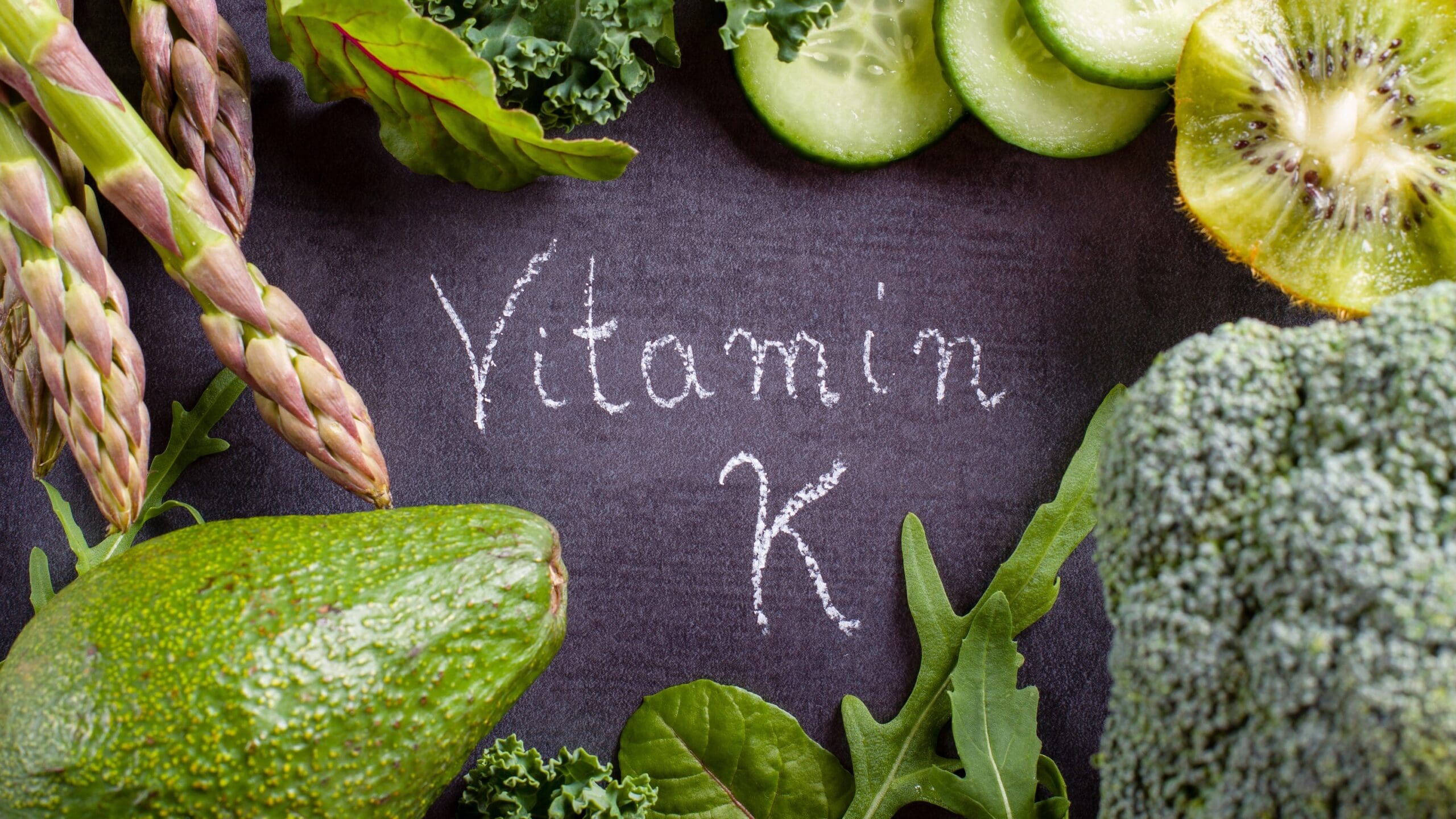
Vitamin K helps to protect a fatty liver
By naturopath Margaret Jasinska
Did you know vitamin K has positive effects on your metabolism? People who don’t get enough vitamin K are more susceptible to insulin resistance, and that is the leading risk factor for developing a fatty liver. If you already have a fatty liver, vitamin K insufficiency worsens the severity.
Your body requires adequate vitamin K in order to help your blood to clot but it has far more benefits than that. Vitamin K2 helps to strengthen bones, reducing the risk of osteoporosis. It also helps to keep your arteries healthy, reducing atherosclerosis.
New research has shown that vitamin K helps to regulate glucose metabolism by converting to a substance called carboxylated osteocalcin in your body. This molecule helps to improve insulin sensitivity. The better your insulin sensitivity, the better able you are to control your blood sugar level.
Good insulin sensitivity also means your blood insulin level will not get too high. That’s very desirable because high insulin promotes fat accumulation on your body and inhibits fat burning.
Vitamin K2 insufficiency is very common because very few foods are a good source of this precious nutrient. If you are trying to lose weight or overcome fatty liver, you’d benefit from increasing your intake.
People with a fatty liver have excessive levels of inflammation inside their liver. This causes damage to liver cells and elevated liver enzymes on a blood test. The more inflammation that is present, the faster liver health deteriorates. Vitamin K reduces inflammation by blocking a signalling molecule called NF-κB, which fuels the release of damaging cytokines including IL-6 and TNF-α. This is important because higher inflammation triggers more advanced stages of liver disease, such as cirrhosis and cancer. By dampening down inflammation, vitamin K helps protect your liver from progressing to life threatening liver disease.
Vitamin K helps reduce oxidative stress and prevents death of liver cells triggered by toxins and free radicals that build up in the liver. Vitamin K interferes with this destructive process, acting like a protective shield for liver cells.
Do you know which foods contain vitamin K2?
The average western diet typically provides very little vitamin K2. Small amounts are found in liver, egg yolks, pasture raised butter, some cheese (particularly Brie and Gouda), as well as natto. Vitamin K1 is present in green leafy vegetables and certain gut bacteria convert it into K2. The problem is a lot of people don’t have enough of those good gut bugs. A number of factors can be responsible, such as antibiotic use, bowel disease (eg. Celiac disease, inflammatory bowel disease) and high sugar diets. Vitamin K2 is a fat soluble vitamin, so fatty cuts of meat contain more than lean meat.
Fatty liver can almost always be completely reversed. It’s important not to leave it too late, before cirrhosis or liver cancer develop. Dr Cabot has written an extensive How To plan in her book Fatty Liver: You Can Reverse It





Leave A Comment